HyLight

HyLight is changing how critical infrastructure is inspected. Its hydrogen-powered airships cover 10 times the distance of other drones. This means that infrastructure operators can spot risks earlier and better with none of the emissions or risk to human life that come with traditional helicopter-based inspections.

HyLight

HyLight

The backbone of modern life

Power lines, gas pipelines and railways keep modern life running. Keeping them safe is outgrowing human scale, as most are still inspected by people in helicopters, in cars or on foot. That’s costly and carbon-intensive, and it limits how often networks get checked. A defect that goes unnoticed can lead to methane leaks, power outages, wildfires or rail disruptions. As climate risks grow and grids expand, operators need more detail, more often. 

For HyLight we track the impact targets|:

➡️
Cumulative CO₂e emissions avoided
➡️
Cumulative kilometres of critical infrastructure inspected
➡️
Comparative performance assessment of HyLighter versus helicopter inspections

SDG Alignment

A new frontier in infrastructure inspection

Drones have long promised a better way, but can’t combine long range with the precision these networks require. The HyLighter can. This autonomous airship covers up to 350 kilometres a day, can loiter for extended periods in close-up checks and has EASA approval to fly over densely populated areas, even at night. Lifted by helium and powered electrically by hydrogen, it produces no direct emissions and far less noise than a helicopter. On board are LiDAR, visual and infrared cameras, and methane sensors. 

From inspection to infrastructure intelligence
Back on the ground, software turns the raw data into clear insights for maintenance teams. Instead of thousands of images, they see what needs attention, where it is and the evidence behind it. With every flight the picture gets more detailed, so operators can move from reactive repairs to predictive maintenance. 

Why we invest in HyLight

Swapping helicopters for airships cuts both emissions and costs, and there’s a clear path to further savings and automation. The bigger impact comes from better monitoring. Operators catch methane leaks, vegetation risks and defects earlier, which makes the energy infrastructure we all depend on more reliable. And the more kilometres HyLight inspects, the more helicopter flights it can replace. 

Last year’s inspections covered under 500 kilometres. In 2026 that will be more than 16,000, anchored by a contract with French grid operator Enedis. The team has shown a rare ability to build and sell on the intersection of the heavily regulated worlds of aviation and infrastructure. All the ingredients are there to make low-emission, high-precision inspections the standard across Europe.  

The people behind HyLight

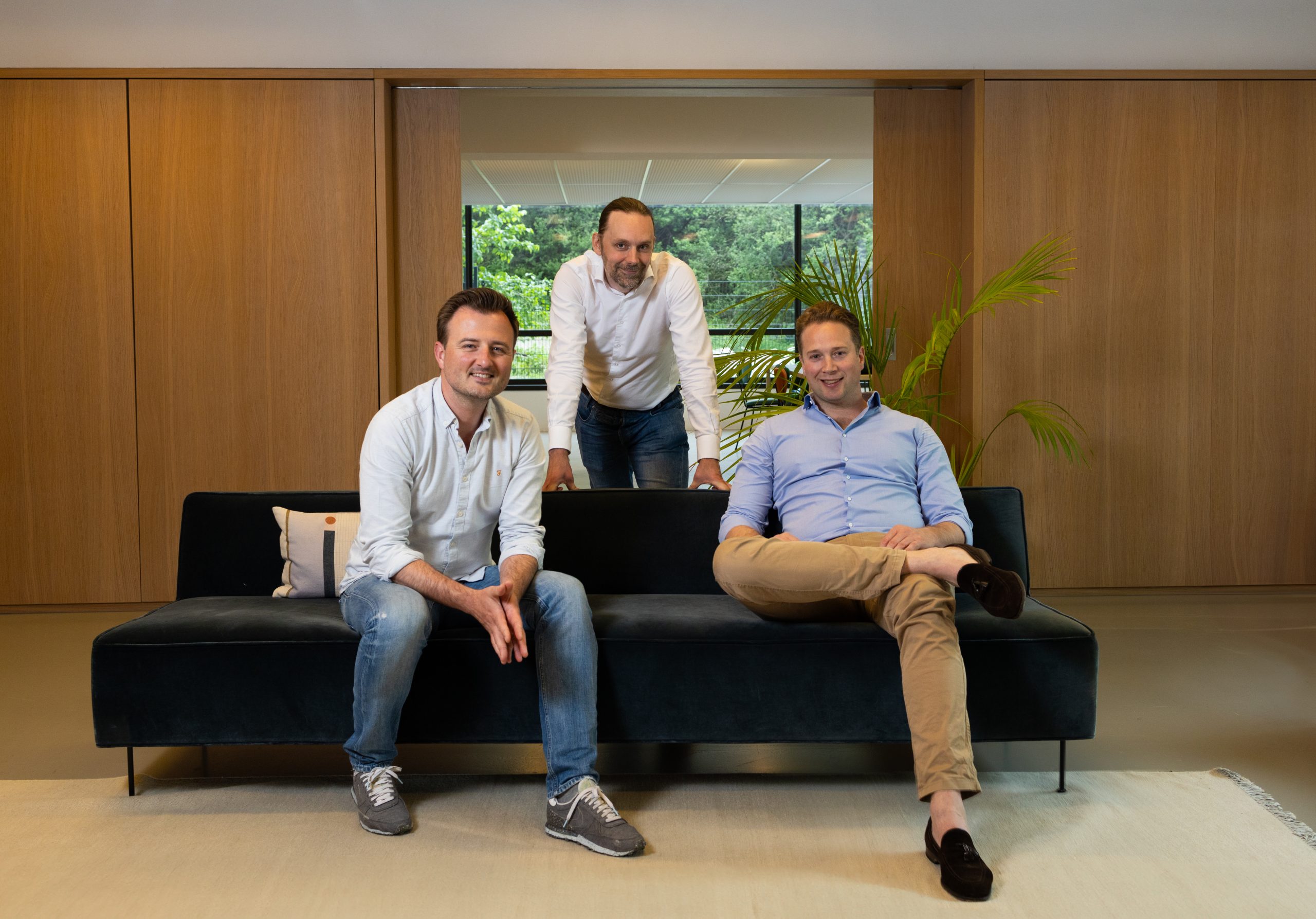
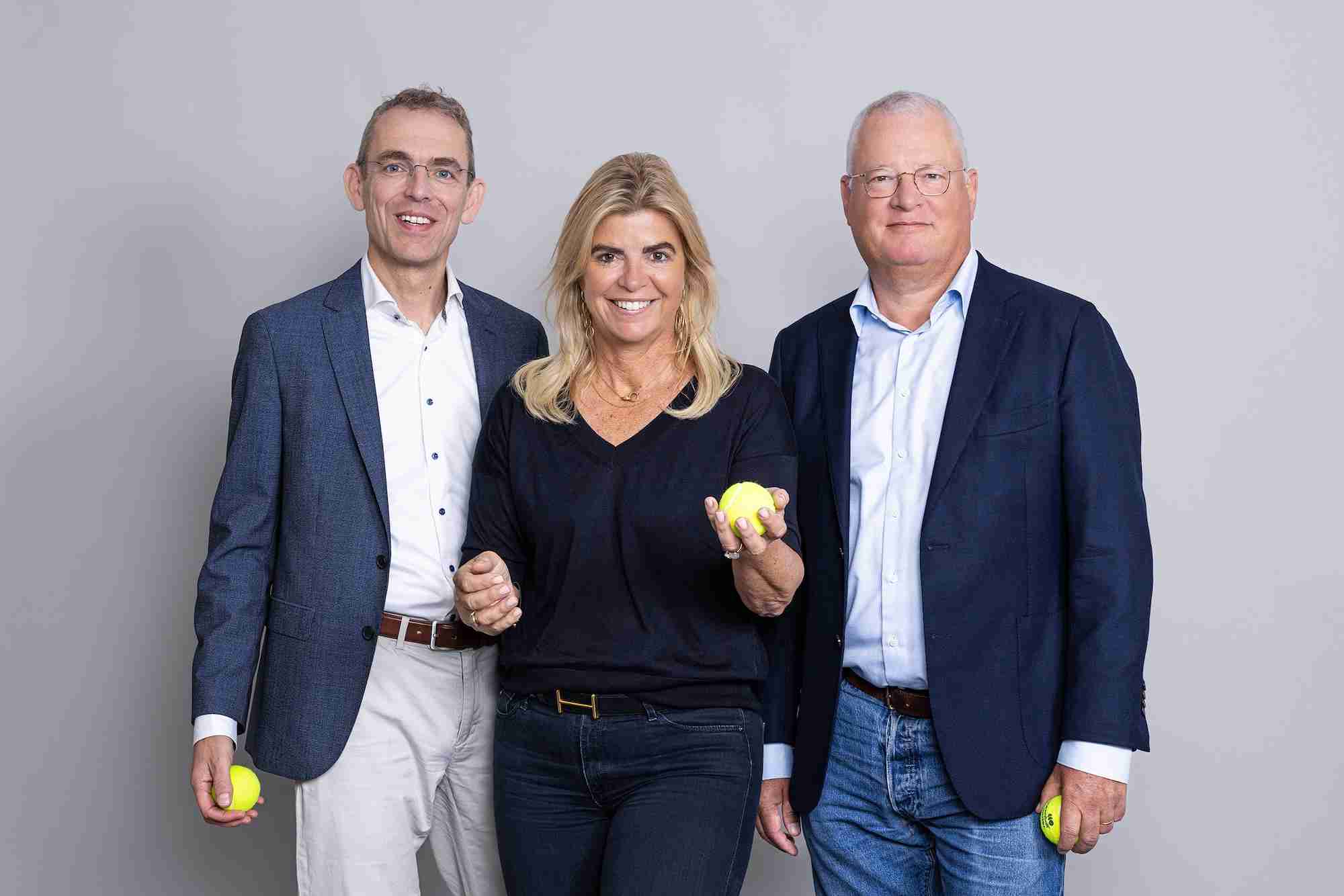
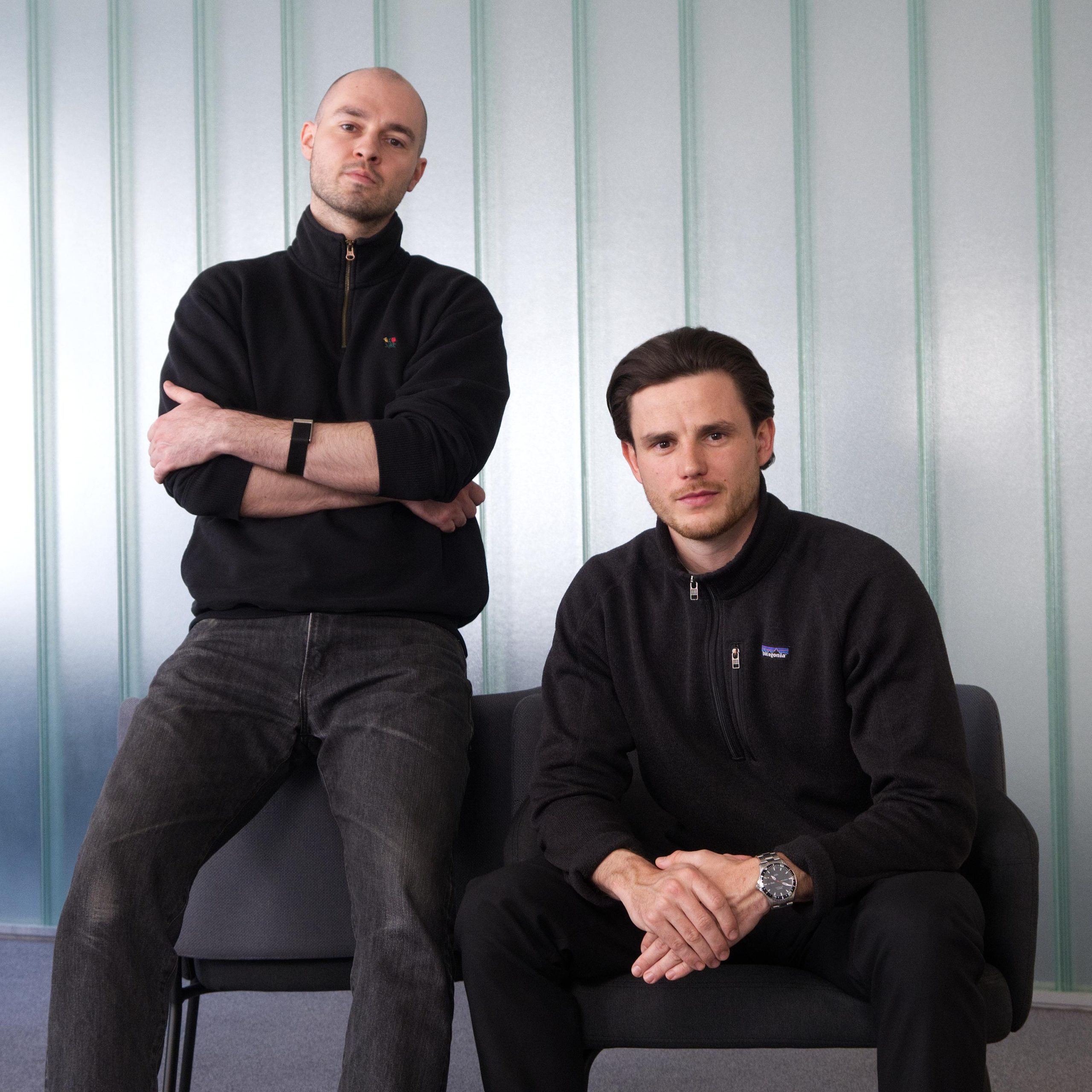
Martin Bocken (CEO), Josef Rokusek (CTO) and Thomas Laporte (CBO) founded HyLight in 2022 and refined the idea at Berkeley SkyDeck and Y Combinator. Martin is a hands-on technical founder who steered the HyLighter through Europe’s aviation rules. Josef leads engineering, with a background in mechanical modelling. Thomas takes what Martin and Josef build and brings it to the customers. Together they lead an international team at Air Base 217 near Paris, where they design, build and fly their own aircraft.

Meet the team

Arrow

VREY

A new frontier in rooftop solar  

Around 30% of Europeans share their roofs and these have largely sat out the energy transition. The barrier was regulatory: selling rooftop solar to tenants historically required the property owner to become an energy supplier themselves, with all the liabilities that brings. A new German framework (Gemeinschaftliche Gebäudeversorgung) removes that requirement, opening up 20 million homes in Germany and setting a pattern that other European markets can follow. 

For VREY we track the impact targets:

➡️
Cumulative tons of CO2 emissions avoided
➡️
Cumulative total residential tenant savings (Euros)

SDG Alignment

The EnergyOS for multi-family buildings  

VREY turns this regulatory unlock into real solar on real rooftops. As a certified smart metering operator with automated billing software, they give landlords the tools to measure each tenant’s share of the solar and invoice them directly. Property owners earn a return on their rooftop. Tenants pay less on their electricity bill. Nobody has to switch energy supplier. The platform also supports batteries, heat pumps and EV charging, turning each building into a smarter energy system.

Why we invest in VREY

Energy is a core focus for Rubio’s Planet team: we look for scalable technology that cuts carbon emissions in how electricity is produced and used. VREY turns one of the largest and most overlooked pieces of that puzzle into a genuine triple win: property owners earn extra income, tenants lower their bill, and carbon emissions in residential power supply come down. All the ingredients are there for VREY to become the EnergyOS for Europe’s multi-family buildings. Together with Kopa Ventures and the High-Tech Gründerfonds, Rubio leads VREY’s Seed round.

The people behind VREY  

VREY was founded in 2024 by Julius Pahmeier and Cedric Jaeger. Julius has been fascinated with sustainability and real estate since his teens and designed his studies around building a company at that intersection. Cedric brings energy consulting experience from Roland Berger, working directly with utilities. Together they lead a team of around 20 people in Berlin, serving individual property owners, housing cooperatives, project developers and large real estate companies, with a three-digit number of projects running across all 16 German federal states.

Chapter

The energy sector’s biggest challenge

The sustainable energy sector is facing unprecedented pressure. Installations are becoming more complex, demand for faster and error-free deployments is skyrocketing, and a workforce gap of 18 million additional workers globally threatens to delay the transition to net zero. Traditional tools and workflows simply can’t keep up with the scale and speed required to meet these challenges.

Chapter is changing the game with the world’s first AI-powered operating system tailored for the energy sector. By delivering real-time, actionable knowledge and automating routine tasks, Chapter enables professionals to achieve more with fewer resources while improving installation quality.

For Chapter we track the impact targets:

➡️
Number of active seats
➡️
Total course days completed
➡️
Development and measurement of diversity/newcomers within clients

SDG Alignment

Accelerating the green transition

Chapter is changing the game with the world’s first AI-powered operating system tailored for the energy sector. By delivering real-time, actionable knowledge and automating routine tasks, Chapter enables professionals to achieve more with fewer resources while improving installation quality.

Chapter was founded in 2021 by André Haardt (Squla/Futurewhiz), alongside Peter Hofstede and Rutger Laman Trip. Together, they bring extensive experience in scaling technology, gamified learning, and AI-powered solutions. Chapter is already collaborating with leading European manufacturers, many of whom are part of their beta program or waiting list.

At Rubio, we believe the transition to a net-zero economy is as much about people as it is about technology. Chapter’s innovative approach empowers professionals to overcome critical challenges, making the energy transition faster, more efficient, and more inclusive

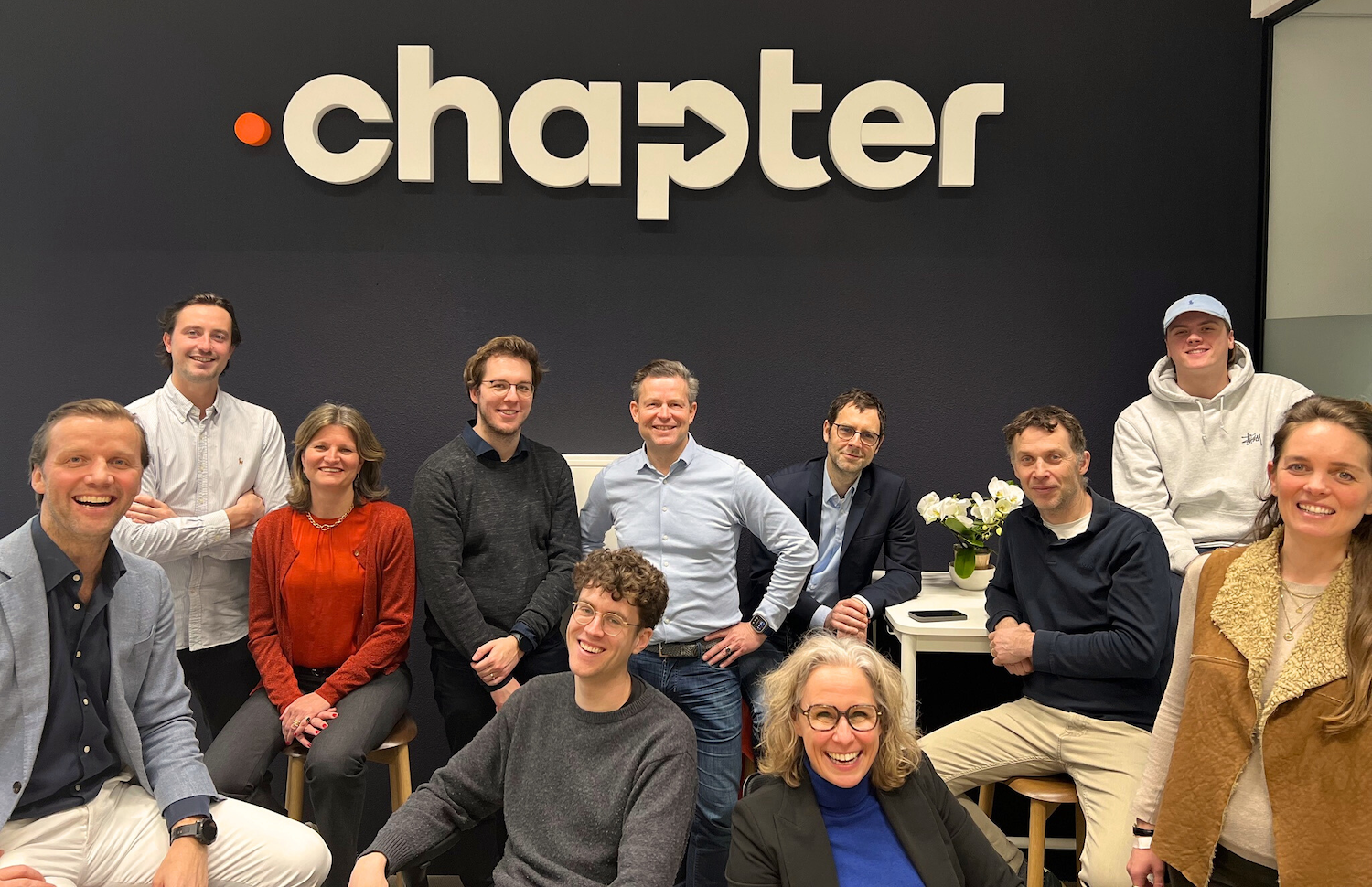
Meet the Chapter Team

Arrow

Prets

Financing the future of home energy for utilities

According to De Nederlandsche Bank (DNB), just 6% of homeowners are willing and able to invest €20.000 or more in making their house more sustainable, while the average investment needed to get to an energy neutral home is about €24.000. To complicate things, DNB also shows that nearly 80% of sustainable home renovations are currently being financed from savings, with the second largest source of funding being subsidies, and the third one being ‘other’. Less than 10% of people relied on a bank loan, and even fewer people made use of the Warmtefonds. DNB theorizes this is a combination of unfamiliarity, loan-aversion, and an unclear business case. 

For Prêts we track the impact targets:

➡️
Tons of CO2 emissions avoided.
➡️
# of underserved/lower income families whose budgets improved through sustainable renovations.

SDG Alignment

Let’s make the energy transition accessible for everyone!

Prets believes the loan application process adds more complexity to average consumers and that it can develop the solutions needed to reach the 1.7 million households that do not have the cash to invest. They’ve built an embedded return on investment calculator and independent financial platform for sustainable home renovations. Their tool lives inside energy retailer’s websites and apps and focuses on showing the potential returns and cash savings from investing in sustainable home renovations, personalized to a home’s specific energy usage patterns and family budget. It then aids the customer in identifying the right way to finance these investments and streamlining the overall process.

Prets was founded by serial entrepreneur Eugène Lubbers and Gerard van Swieten, with Peer Fisser as late joiner.

For the curious: the name Prets was inspired by Antoine de Saint-Exupéry, author of The Little Prince, who wrote “La terre n’est pas une héritage de nos parents, c’est un prêt de nos enfants.” – in English: “The earth is not an inheritance from our parents, it is a loan from our children.”

Meet the Prêts Team

Arrow

Renewaball

Approved by the international tennis and padel federations

It takes 400 years for a tennis ball to decompose, yet we throw them away after only a few games. Globally 350 million (120 to 130 million in Europe) used tennis balls end up in landfills each year. That is roughly 10 thousand tons of methane producing, near non-decomposable rubber waste. 

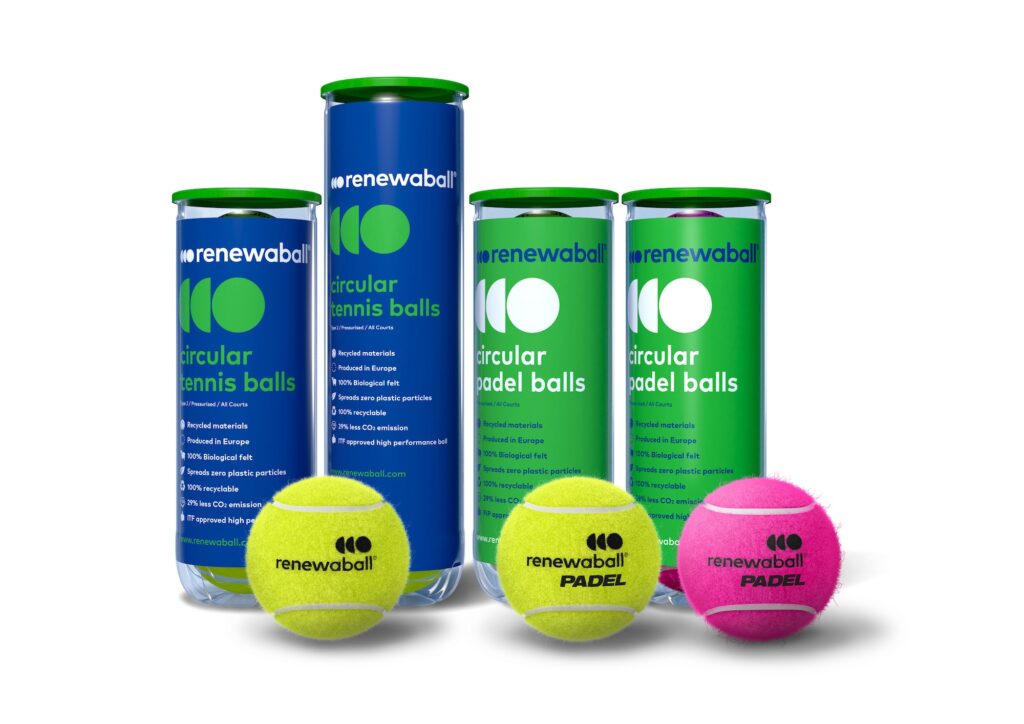
Renewaball has built a waste collection network with partners across Europe. They received approval from the international tennis and padel federations in 2022, allowing the balls to be used in official tournaments.

For Renewaball we track the impact target:

➡️
Tons of CO2 avoided as a result of collecting and recycling tennis/padel balls

SDG Alignment

Let’s make circularity the new normal in sports

Renewaball was founded in Amsterdam in 2021 by an amazing mission driven tea; Hélène Hoogeboom (CEO) and Marc Rouffaer (CMO), two branding and advertising experts with past experiences at ao TBWA\Neboko & tcc global and Günther van de Rijt (COO), who is a supply chain expert with previous corporate and scale-up experience at Philips, Ista and Sartorius.

At Rubio we are especially excited about the potential to inspire the entire sporting goods industry to be more circular by proving Renewaball’s recycling model works for other products too, in other words: the systemic impact potential. We believe that by supporting Renewaball, we can contribute to a mindset shift towards sustainability in tennis and padel.

Read more in our Renewaball Impact Case.

Meet the Renewaball Team

Arrow

Amber Electric

The energy flex company giving power to the people

Residential energy use generates over 1 billion tonnes of CO2e emissions globally (4% of total emissions, IEA), requiring a system wide shift to renewable power to cut out fossil fuels. However, deploying more volatile solar and wind energy creates critical instability for the grid because supply is often not matched to demand. More flexibility and storage capacity is needed to enable renewables to enter the grid and Amber unlocks this capability for households.

Amber Electric provides access to the dynamic price of power, incentivising the flexibility and storage that enables more renewables to enter the grid. Their X-factor is Smartshift, a platform that connects home batteries, EV chargers, and smart devices to the dynamic wholesale price of electricity throughout the day, automatically shifting consumption to times when renewables are flooding the grid with cheap, green power (and discharging batteries into the grid when renewables drop away and prices rise).  

For Amber Electric we track the impact targets:

➡️
Storage output automated (MW).
➡️
Additional renewables for Amber users compared to grid average (MWh)

SDG Alignment

Smart energy retailer

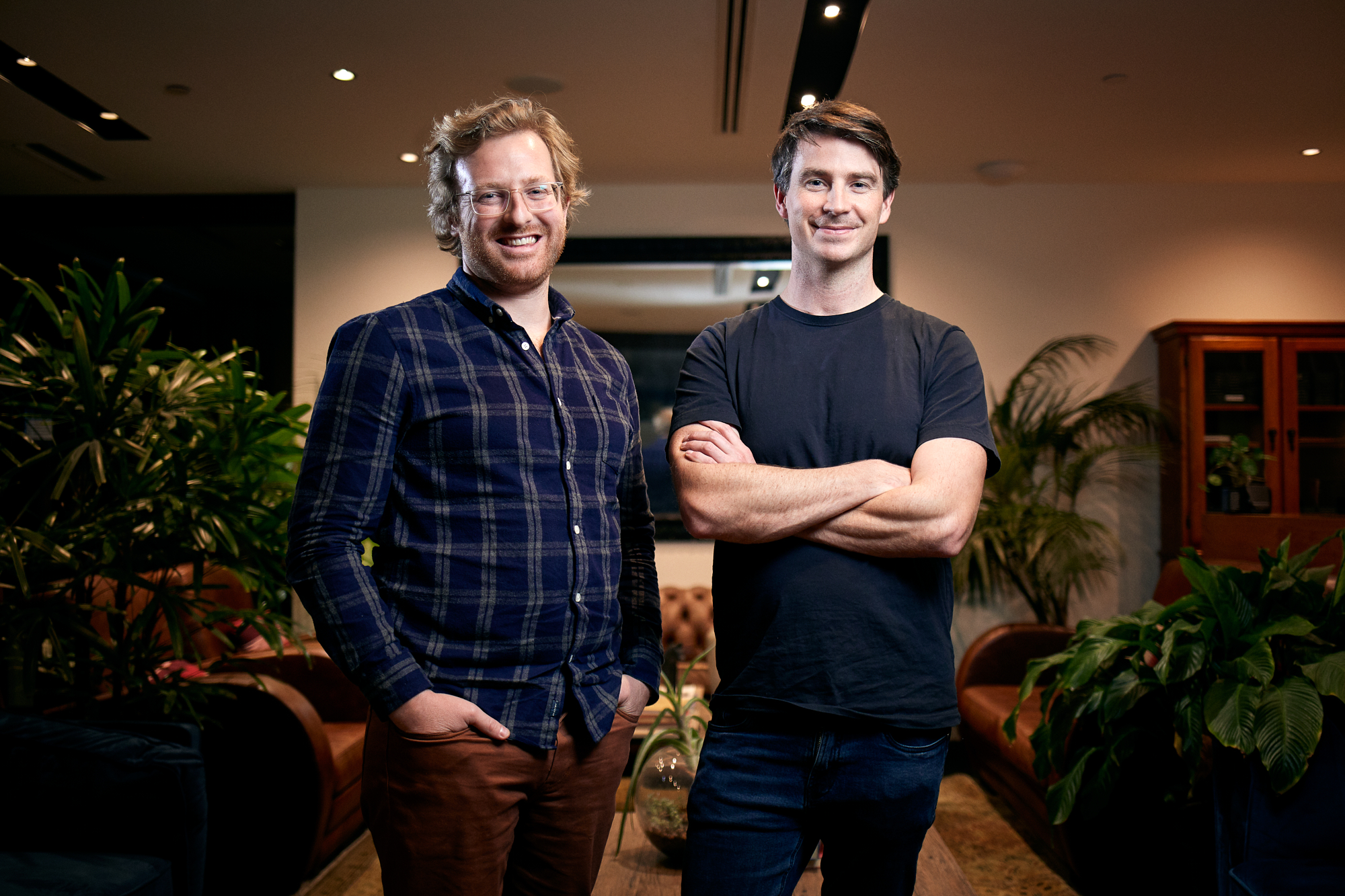
Amber was founded in Australia in 2019 by Daniel Adams (ex. Tesla, BCG, Make Poverty History) and Christopher Thompson (ex. BCG) who are driven by a mission to automate millions of batteries worldwide for the energy transition – all while helping real people save big on their energy bills.

Amber is well poised for global growth, having demonstrated strong product market fit in the Australian market with rapid expansion of hydrid energy retail and smart asset optimisation business. They have also taken advantage of Australia’s exceptionally high battery adoption, building Smartshift into a world-leading home storage automation technology.

With this headstart, Amber has its sights set on launching Smartshift into the UK & European market, where the market opportunity in the UK represents over €1b alone and the total European market is up to 10x the size. This is riding tailwinds to capture market share as more renewables means more flexibility is required, and grids are modernising to enable companies like Amber to provide this service.

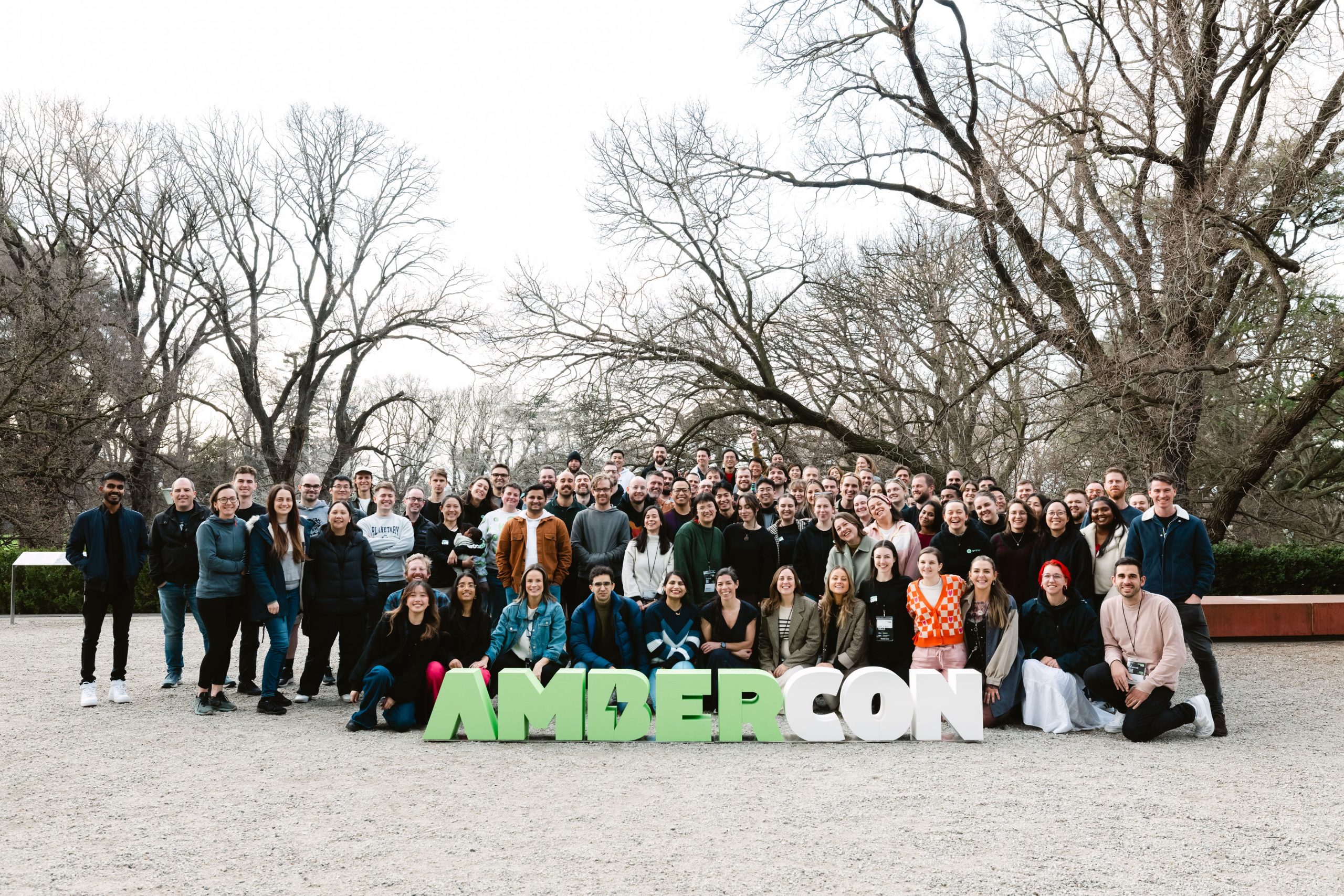
Meet the Amber Team

Arrow

Bepoc

Enabling brands to bring a circular world to life 

The issue of electronic waste (or e-waste) has escalated into a global environmental challenge. The rapid turnover of electronic devices has become the norm. As we upgrade to the latest smartphones, laptops, and gadgets, the old ones often find themselves collecting dust. This adds to the growing pile of consumer electronics being unused. To make it visual for you: an Eiffel Tower of e-waste pops up every 2 hours. That comes down to 53 million tons of e-waste per year. 

However, we are able to do something about this. By reselling electronics or buying a pre-owned device, everyone can actively participate in reducing the demand for new devices. This reduces the total amount of e-waste that mounts up on our planet.

For Bepoc we track the following impact targets:

➡️
Number of devices given a second home (not sold to refurbishers / scrappers)(80%)
➡️
Number of users that are repeat buyers & sellers on the platform (20%)

SDG Alignment

Driving the Circular-First Mindset

Bepoc makes it possible for every brand to offer this. Their solution is fast to deploy, going live within a week with minimal front-end adjustments, enabling customers to engage in circular commerce without even realizing they’re on the Bepoc-platform.

At Rubio, we believe that Bepoc is a game-changer. Led by a ambitious, and diverse founding team, Bepoc champions the “circular-first” mindset, helping companies adopt sustainable practices from the start. Currently, Bepoc is the embedded re-commerce provider for some of the largest Dutch retailers and is expanding internationally.

Meet the Bepoc Team

Arrow

Rable

Unlocking the solar energy potential of all roofs

In late 2021, TKI Urban Energy presented the results of a study on the potential of solar-on-roof in commercial construction. The researchers concluded that about 40 percent of the roofs had “no structural limitations,” and thus could support solar panels right away. The remaining 60 percent had slight or severe structural limitations and were not immediately suitable for installing panels. This means that (sometimes expensive) modifications must be made to buildings, or this potential area for solar-on-roof remains unused.

For Rable we track the impact target:

➡️
Cumulative Mwh deployed on roofs with RABLE mounting systems*

SDG Alignment

Combining all solar panels into a single lattice structure

RABLE’s system uses a so-called “truss construction”. This is a construction that lends its stability to triangles, and is used, among other things, on bridges and the scaffolding above highways on which traffic signs are placed. Thanks to this construction, the system can handle a span of up to 25 meters, and supports the weight evenly on the areas of the building that can handle. Because the system carries its own weight and that of the panels it can therefore be applied directly to weak roofs, without structural renovation and investment on buildings with roof construction limitations.

Together with regional investment Energietransitiefonds Rotterdam (through Innovation Quarter)) we are investing in RABLE to set up their production and enter the market with their system and by doing so unlocking the solar energy potential of all roofs.

Meet the Rable Team

Arrow

E-Magy

Clean, electrically powered mobility

Unlike fossil fuels, an EV driving on ‘half a tank’ is not lighter than one on a full tank. Every KWh of battery potential needs to be lugged along. As such, ‘more batteries’ becomes less and less cost-effective for increasing the range of an electric vehicle. Add in the fact that batteries are less energy dense and more expensive than your traditional gas tank, and it’s clear why small and low-end EV’s often have terrible range, and why electric flight and heavy-duty trucks are so hard to make work. 

E-magy created a new kind of silicon material with a nanoscale porous structure, which prevents batteries from swelling and breaking completely by containing the swelling within the nanopores. This revolutionary silicon-dominant anode material delivers 40% higher energy density and enables faster charging than existing graphite solutions.


For E-magy we track the following impact targets:

➡️
Cumulative Nanoporous Silicon sold / tonnes of CO2 emissions avoided (25%)
➡️
Plant technology Readiness level (TRL) # achieved (37,5%)
➡️
Material technology Readiness (TRL)#achieved (37,5%)

SDG Alignment

Pushing battery innovation forward

The impact of E-Magy’s patented production process is twofold: the emissions in producing the material are roughly six times lower than graphite and the weight reduction when applied in for instance electric vehicles, also reduces energy usage per km driven. On a total life-cycle-analysis-basis, E-Magy’s product is simply superior.

The team of advanced materials specialists has been working on the technology since roughly 2005 and runs a pilot plant in The Netherlands. In their production facility, they use a proprietary process with standard industrial post-processing to manufacture nano-porous silicon. They are currently scaling up to realise a fully commercial production line in 2023, for 300 tons (2.5 GWh battery storage capacity) per year.

Partnering with renowned organisations like the Advanced Battery Technologies team at ZSW, the Battery Research Group at Delft University of Technology, BEPA (Batteries European Partnership Association), TEESMAT (European Battery Material Platform), EBA 250 (European Battery Alliance) and the European Research Initiative Battery2030+, the E-magy team are rapidly advancing, pushing battery innovation forward. Electron by electron, they are switching the EV industry on with their specialty silicon.

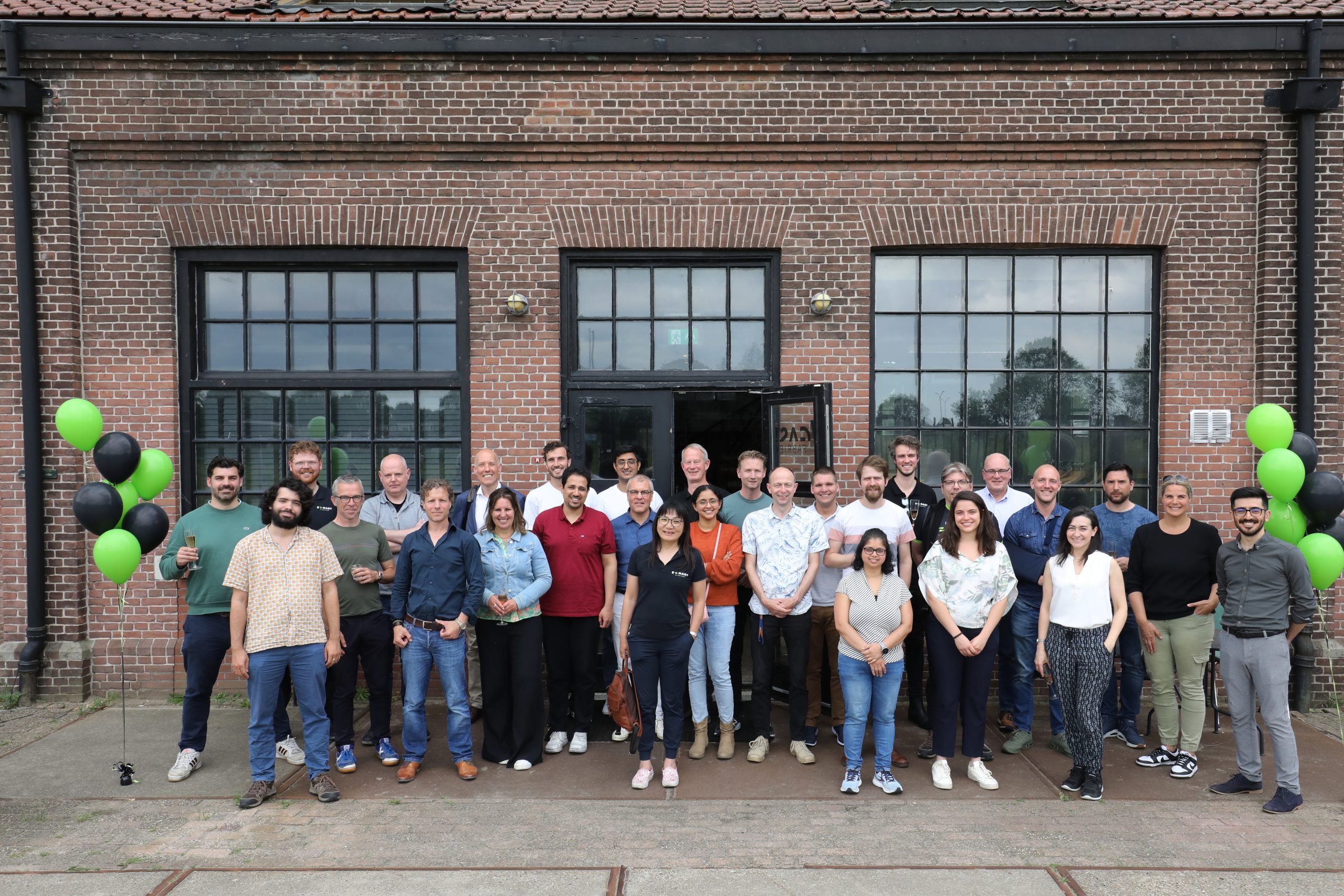
Meet the E-magy Team

Arrow

RIFT

The next breakthrough in cleantech

The need to switch away from gas and towards alternative and clean sources of heating is higher than ever, especially if you imagine that more than 40% of global CO2 emissions originate from energy-intensive industries. Despite the increasing pressure put on decarbonizing these energy-intensive industries (think: district heating, process industry and electricity generation), businesses are struggling due to a lack of (clean)technologies which fit their needs and do not cost a fortune.

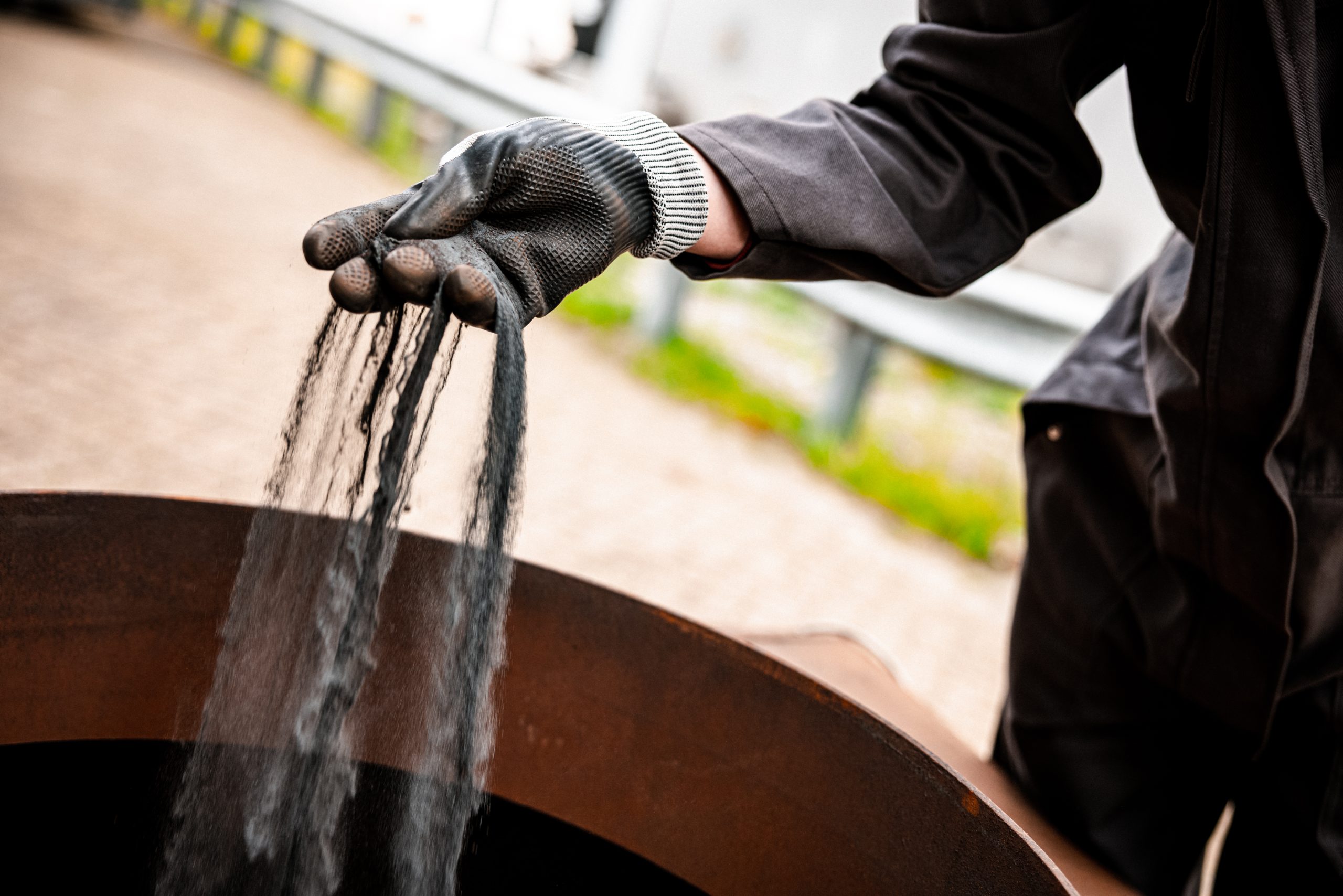
This circular fuel is a sustainable alternative to fossil fuels. Iron powder is used as a medium to store energy, when this is combusted, heat is created and the residual powder, iron-oxide (aka rust), is regenerated into iron fuel which can be used to create heat again (and again and again). RIFT is developing industrial-scale boilers which will directly replace gas-fueled boilers and save thousands of tons of CO2 emissions per year.


For RIFT we track the following impact targets:

➡️
Technology Readiness Level (TRL 5,6,7) achieved (75%)
➡️
RIFT’s direct + indirect CO2 footprint per MWh of iron fuel energy produced when the technology is at commercial scale (25%)

SDG Alignment

Bill Gates also joined

RIFT was founded by three friends from Eindhoven University of Technology, Mark Verhagen, Vincent Seijger and Lex Scheepers who worked together on iron fuel technology development in student team SOLID. This student team was part of the Metal Power Consortium and worked closely with the founding father of iron fuel, professor Philip de Goey. Mark, Vincent and Lex founded RIFT in 2021 to provide commercial access to this promising new clean fuel. Since then the team has developed the technology further and expanded with senior experts in the industry.

We invested together with the BOM and Energietransitiefonds Rotterdam. And more good news, because Bill Gates also joined This private investment coalition (founded by Bill Gates) aims to accelerate the development of technologies that will contribute to a climate-neutral world in 2050. Through this Fellows program RIFT will receive a considerable grant to accelerate their technological development and also gets access to world-class mentoring and education.

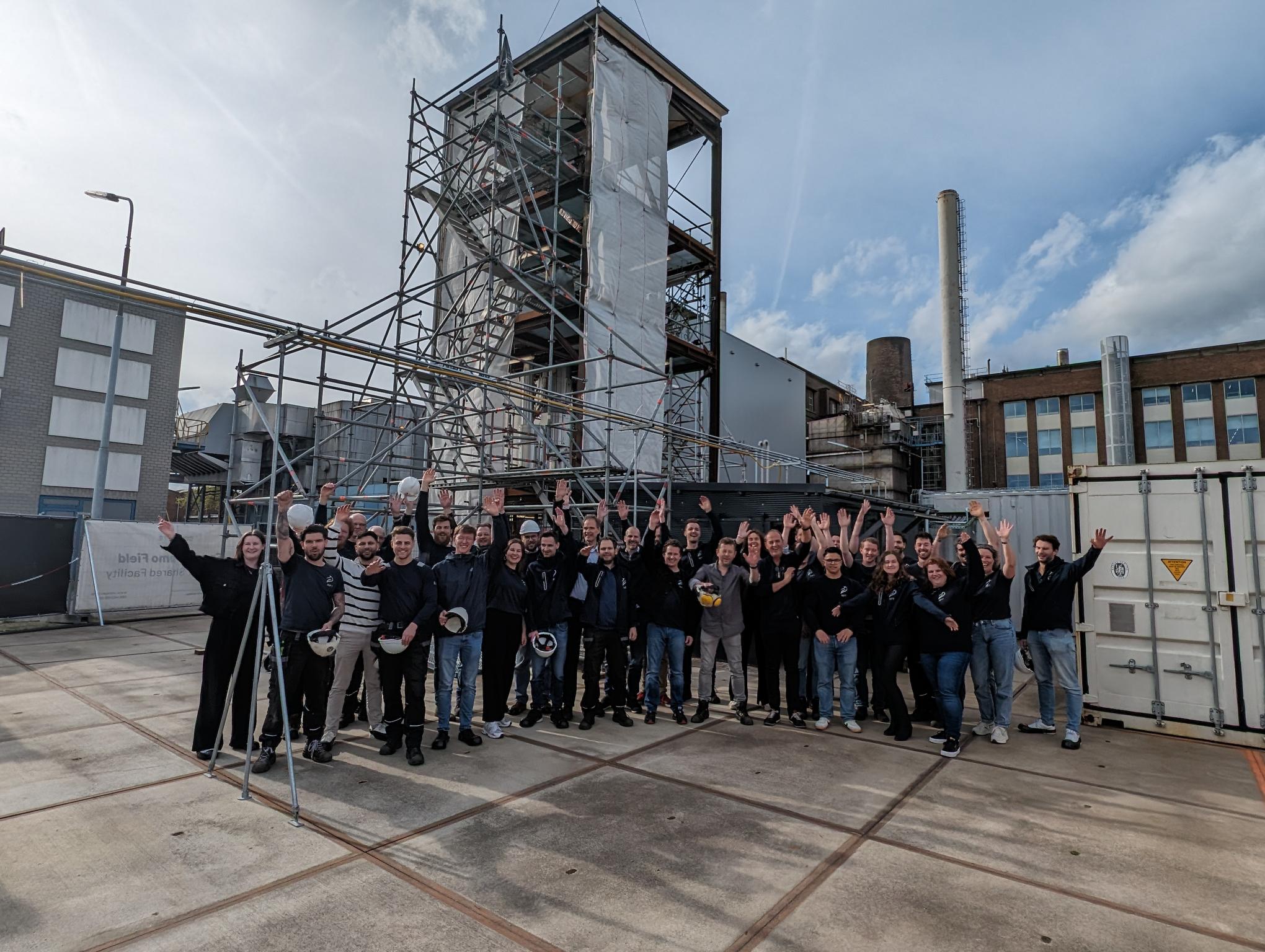
Meet the Rift Team

Arrow