NoPalm Ingredients

NoPalm Ingredients is on a mission to deliver local, circular, and sustainable oils as alternatives to palm oil. With the power of oil-producing yeasts, they tackle the environmental threat of palm oil expansion. NoPalm’s approach avoids further palm driven pressure on rainforests with 99% less land use, while decarbonising the supply chain with 90% fewer greenhouse gas emissions.

NoPalm Ingredients

NoPalm Ingredients

Revolutionizing the palm oil industry

Palm oil, dubbed the “wonder oil” for its versatility,  is the most consumed vegetable oil worldwide. With an annual production of approximately 80 million tonnes, palm oil is found in over 50% of supermarket products from everyday items like shampoo and toothpaste to surprising ones like instant noodles and even ice cream.  

Unfortunately it’s incredible popularity has come at huge environmental cost, as 22 million hectares of virgin rainforest (more than 5 times the size of the Netherlands) have been cleared to make way for new palm plantations since 1990.  Meanwhile, ongoing palm driven deforestation to serve accelerating demand contributes to 1.4% of global CO2 emissions every year and threatens 40% of endangered species. We need a new “wonder oil” and fast.

For NoPalm we track the impact targets:

➡️
Total land use change avoided (Km2)
➡️
Technology milestone: Production Capacity
➡️
Technology milestone: Relative cost

SDG Alignment
Innovative Fermentation Technology

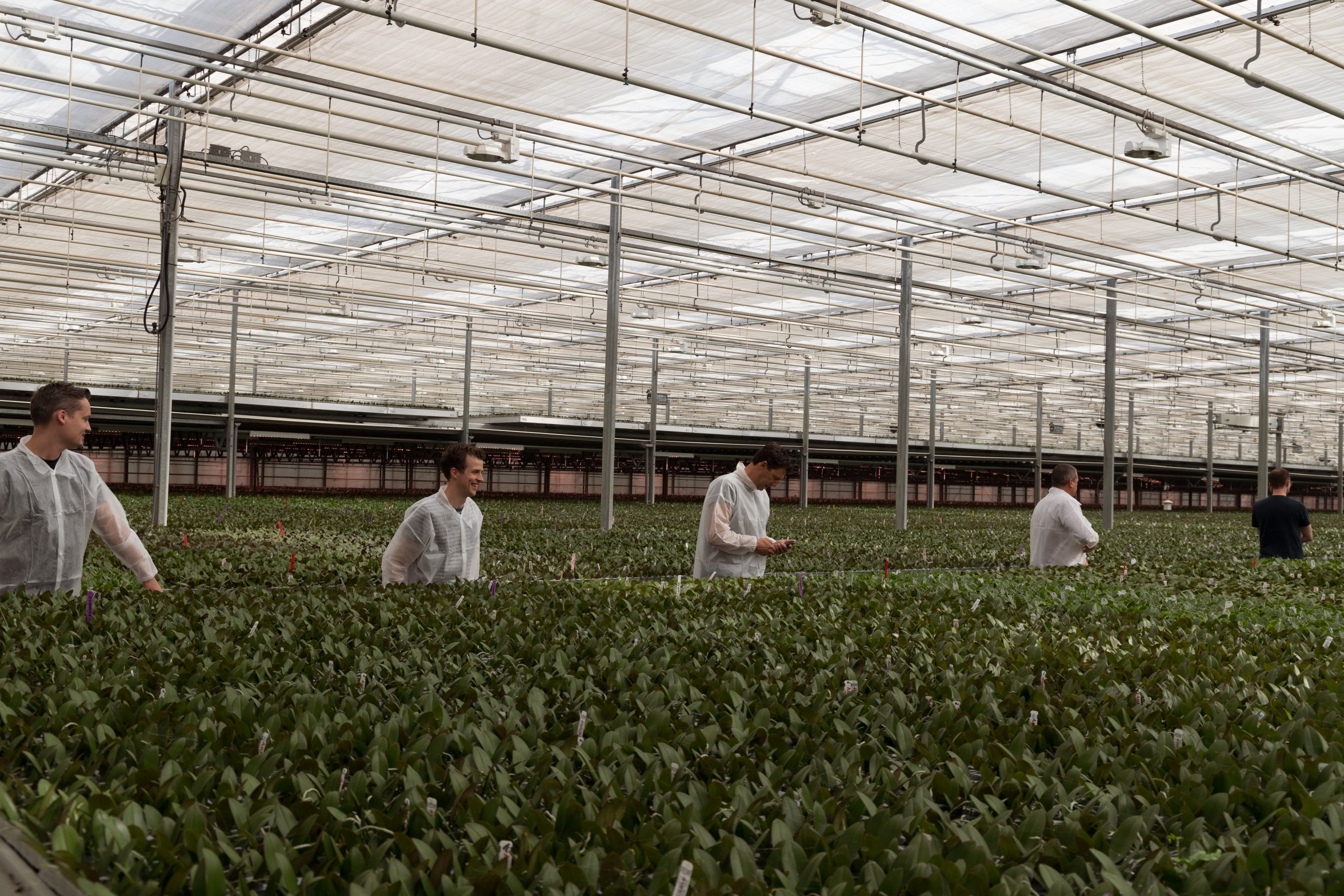
NoPalm Ingredients uses a proprietary fermentation-based technology to convert agrifood offcuts into a low-emission palm oil alternative.

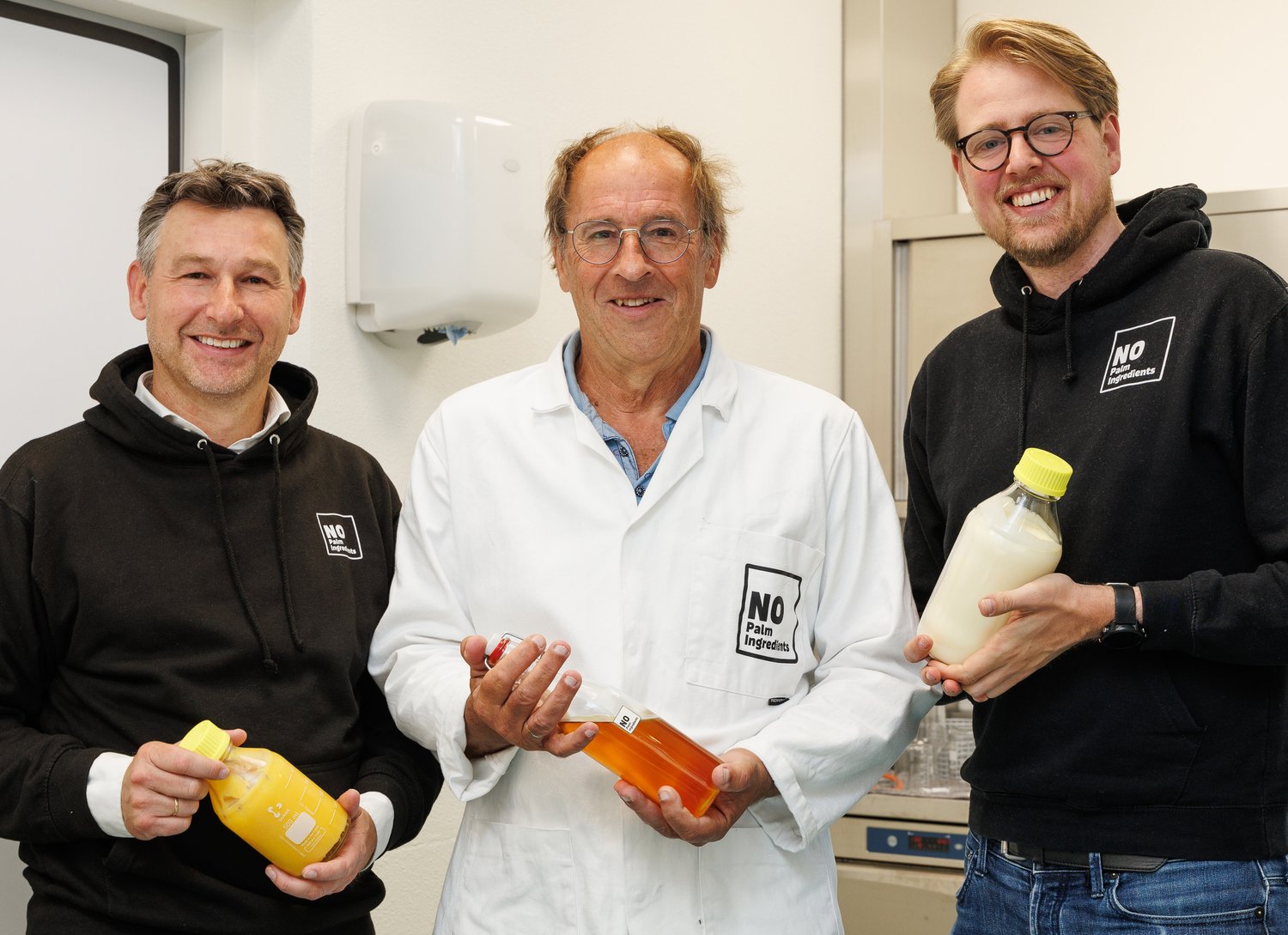
Founded in 2021 by Lars Langhout (CEO, ex Booz/Strategy&) and Professor Jeroen Hugenholtz (CTO, ex Wageningen University), NoPalm Ingredients has leveraged extensive research into yeasts to develop their proprietary process for converting low value agrifood feedstocks like potato peels into oils. The main output matches palm oil in performance and taste, while a rich protein byproduct can be used as an ingredient for foods.

Recent Momentum

NoPalm Ingredients has recently drawn significant attention in the sustainable food-tech space. In 2024, the company secured multi-million funding to scale its operations and advance towards commercial production, underlining strong investor confidence in its breakthrough technology. The company also announced new partnerships with major food and cosmetics players eager to decarbonise their supply chains and replace palm oil with sustainable alternatives. These milestones position NoPalm as one of the most promising scale-ups tackling one of the most urgent climate and biodiversity challenges of our time.

We believe NoPalm Ingredients is crucial in reducing pressure on our planetary boundaries. Our investment aims to support NoPalm in demonstrating they can scale their impressive results to large-scale production and secure long-term contracts with their pipeline of engaged customers.

Read more in our NoPalm Impact Case.
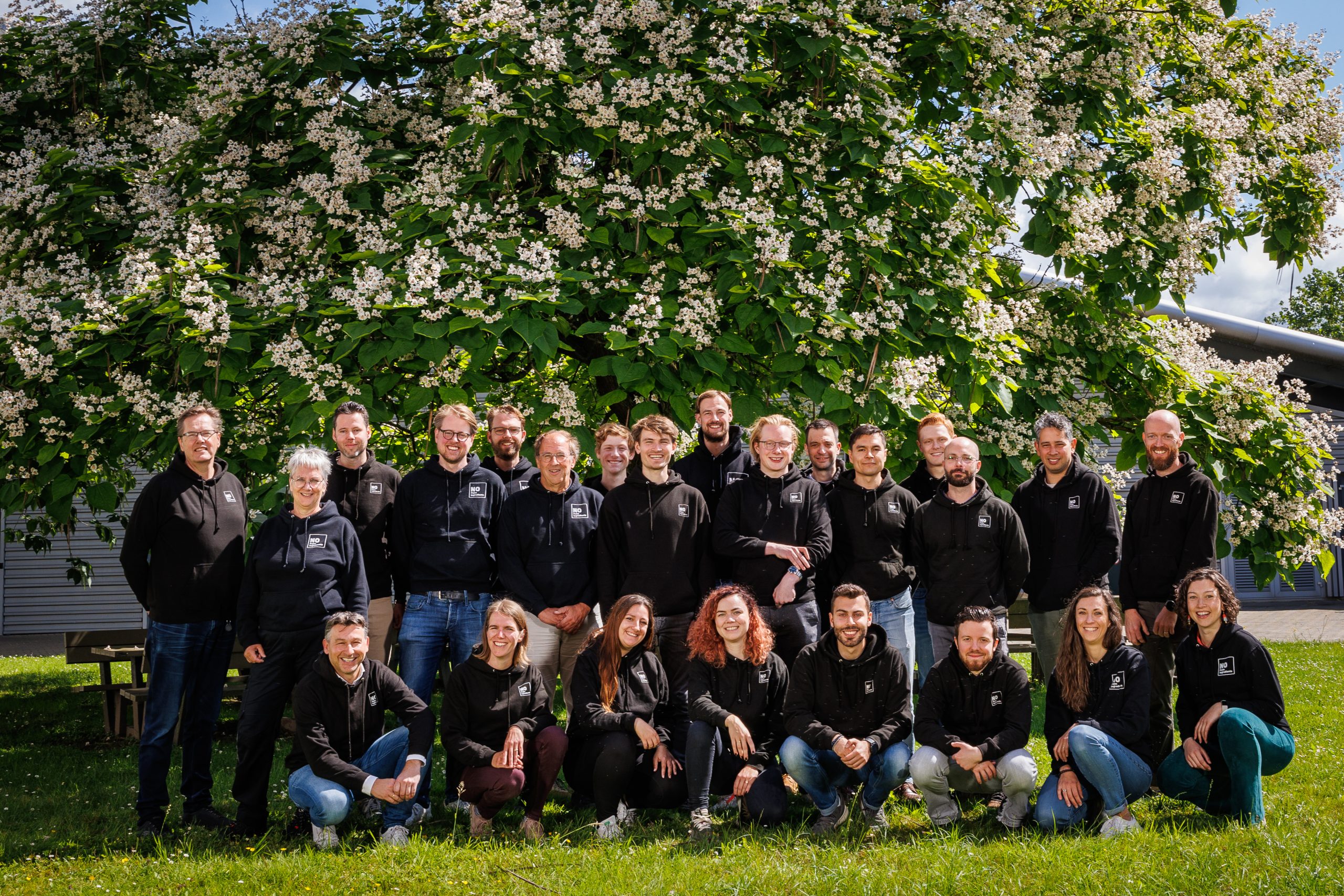
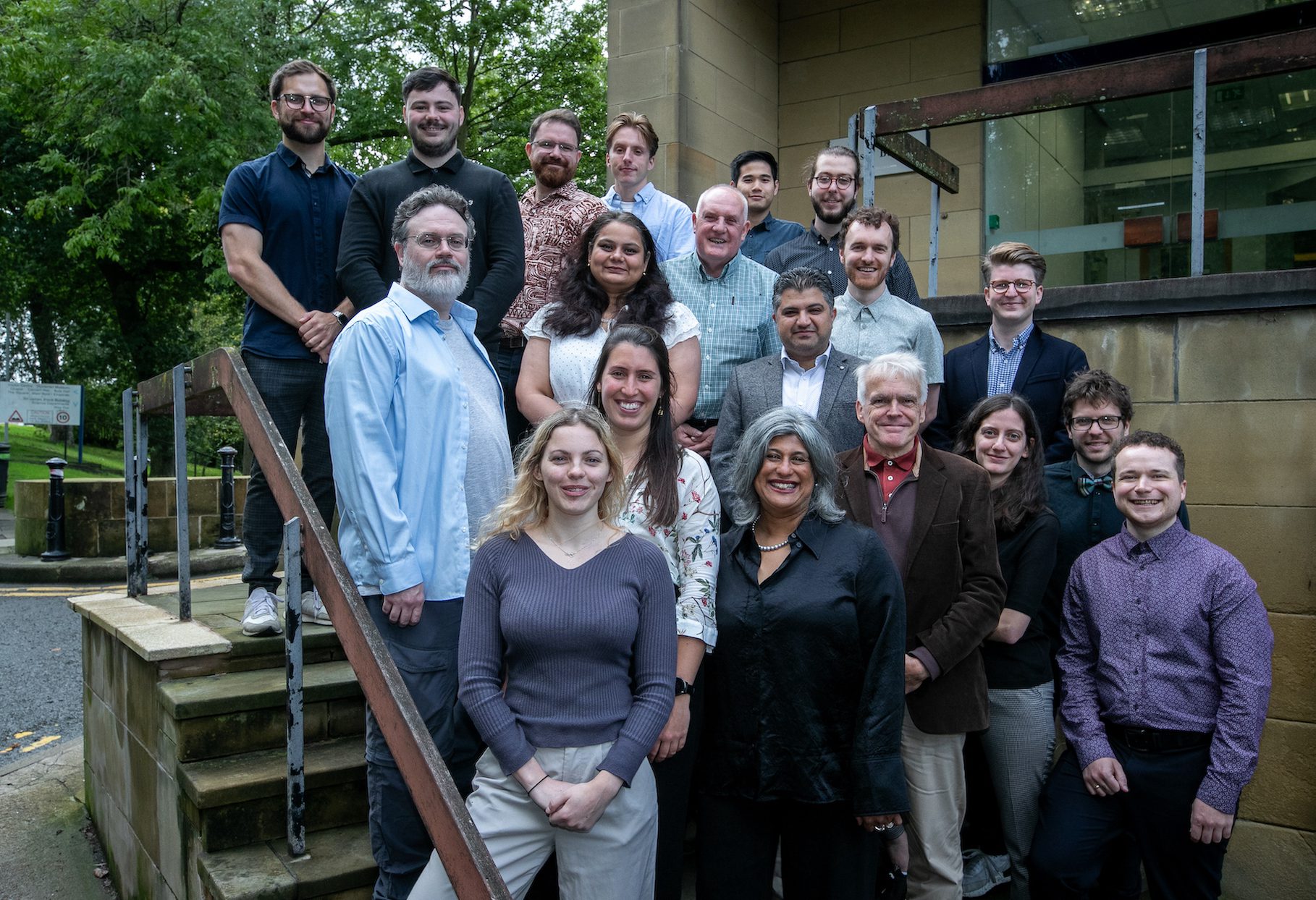
Meet the NoPalm Ingredients Team

Arrow

Wakuli

Decommoditizing coffee to boost smallholder farmer income

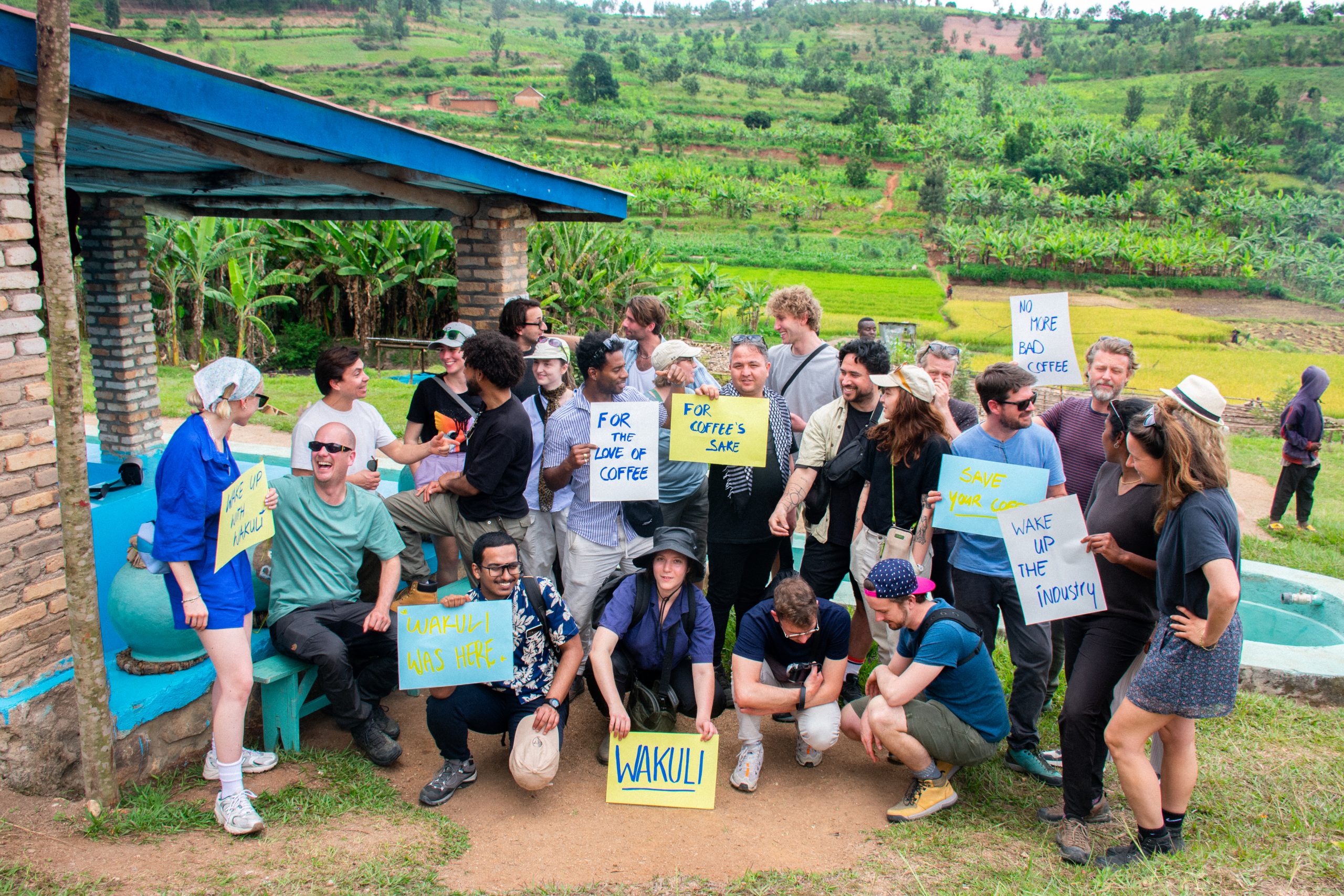
An estimated 12 million farms and 25 million families depend on coffee for their livelihood. Many smallholder farmers live in poverty, with ~25-50% earning (far) below a living income. Their quality coffee is mostly treated as commodity and relationships with buyers are transactional, which leaves them unable to invest in their farms to get to profitability and caught in a vicious cycle of underearning and underinvestment. Direct trade with smallholder farmers and their cooperatives offers a solution, but volumes have been too low as it has been confined to the niche super-premium segment of the market.

For Wakuli we track the following impact target:

➡️
Number of smallholder farmers & dependents with significantly increased coffee income*

SDG Alignment

Direct trade and direct-to-consumer model

Wakuli buys green coffee beans directly from farmer associations and cooperatives, roasts the coffee in the Netherlands and distributes the roasted coffee to customers’ mailboxes. Thanks to this direct trade and direct-to-consumer model, the company is able to bypass unnecessary steps in the value chain and offer the freshest specialty quality coffee at below specialty prices: a high quality impact product at a mid-market price. The farmer receives a much higher (often 2x) price per kilogram than what they would otherwise receive. By entering long-term partnerships Wakuli enables these smallholder farmers to invest in their farms to move towards a living income and a more sustainable livelihood.

Founders Yorick & Lukas form a highly complementary leadership team with strong commercial and impact drive. Yorick spent several years working in coffee cooperatives in countries such as Tanzania and Nepal and is deeply passionate about coffee and improving the lives of smallholder farmers. Lukas is an expert in tweaking and constant experimentation towards the right business model to scale up.

Connecting 1 million households and 50,000 farmers by 2025

With our funding the company will continue to scale up in the Netherlands and expand to surrounding countries in 2021. With this investment we target to increase income at farmer level by at least 25% for thousands of smallholder farmers and their dependents.

“In Rubio we found a partner with the rare combination of strong commercial and strategic proficiency and a deeply held conviction that a social mission and top venture returns reinforce each other. Besides helping us define and measure our impact metrics, the Rubio team became a strategic sparring partner from day 1. They come with ideas and feedback, but never pressure to go one way or the other. Rubio is bringing an extensive network of experts and co-investors to the table making us all the more certain that we will reach our goal of connecting 1 million households and 50,000 farmers by 2025.” Lukas Grosfeld & Yorick Bruins, founders of Wakuli.

Meet the Wakuli Team

Arrow

Solasta Bio

Green insecticides with a reason to Bee 🐝

Protecting crop yields while preserving the environment is one of the biggest challenges of today. Conventional approaches are damaging our ecosystems and failing to deliver safe effective food production. In fact, the global insecticides market is currently dominated by synthetic chemicals accounting for 94% of insect control solutions. While 75% of food crops are dependent on pollinator insects, other insects cause enormous social, health and economic damage that accounts for at least $70 billion in US crop losses alone.


For Solasta Bio we track the impact targets:

➡️
Filed a dossier for regulatory approval in US, EU, LatAm (50%)
➡️
Proven efficacy and non-toxicity in commercial trial (50%)*

SDG Alignment

The next generation of green insecticides

This is where Solasta Bio comes in. Their proprietary technology enables farmers to use small, protein-based crop protection products that are both effective and highly specific. Solasta’s bioinsecticides target a wide spectrum of insect pests, including those resistant to conventional chemistries, while preserving bees and other beneficial species. This combination of efficacy and selectivity represents a major white space in the market and a profound shift in how insect control agents are discovered.

As CEO Professor Shireen Davies explains: “The global market for insecticides has been under intense scrutiny for many years now, with growing demands on food production requiring greater levels of crop protection, counterbalanced by heightened concerns for the environment. Through our proprietary technology platform, we have developed a world-leading solution which represents a profound change for how insect control agents are discovered, and a step-change in how we not only protect our crops worldwide but also our ecosystem.”

Scaling up and go-to-market in 2027

Founded by scientist and entrepreneur Professor Shireen Davies and insect biology expert Professor Julian Dow, Solasta Bio is taking its breakthrough biopesticides from the lab into real-world trials. The company is on track to launch its first products in 2027, around half the time it takes for traditional synthetic insecticides to reach the market.

Since Rubio’s initial investment, Solasta Bio has successfully raised a follow-on round, bringing in additional investors to accelerate its R&D pipeline, expand its platform, and strengthen its commercialisation strategy. This fresh capital is enabling Solasta to broaden its candidate portfolio and build the partnerships needed to scale globally.

Meet the Solasta Bio Team

Arrow

Vytal

Let’s eliminate disposable packaging waste

By using Vytal’s platform and containers, a restaurant can easily offer reusable packaging to their customers, replacing the single-use status quo. A partner restaurant pays Vytal per transaction, which is cost competitive or cheaper than single-use, keeping the service free for end users. Vytal also measures the eco-impact for all its partners and creates an ecosystem of supermarkets, restaurants, canteens and corporate partners, helping to achieve the necessary convenience level for consumers to make reusables as easy and convenient as single-use.


For Vytal we track the following impact targets:

➡️
Cumulative number of single-use packages avoided (75%)
➡️
Average days for a reusable container to return, which determines how often a container is used per year showing the achieved circularity of Vytal’s network (25%)

SDG Alignment

Replacing the single-use status quo

For consumers, Vytal is comparable to other sharing services such as e-scooters. Once they have registered in the Vytal app or purchased a Vytal membership card, customers can borrow and return freshly washed bowls. The entire process is handled digitally using the QR code labels on the Vytal Bowls. These end users return their containers to any Vytal partner and only pay a penalty for late returns. Vytal’s proprietary technology enables their partners to efficiently track containers and manage inventory, as each container is linked to either a restaurant or user account.

Germany has decades of experience with reusable packaging, and the Vytal team wants to use this experience to continuously improve its digital reusable packaging system and make it globally scalable. And with a return rate of over 99% and an average rental period of 3 days, Vytal achieves better return rates than the German bottle deposit system. Our investment alongside partners Grazia Equity and IP Group will enable Vytal to continue to develop their product and help more partners to tackle the single-use packaging madness.

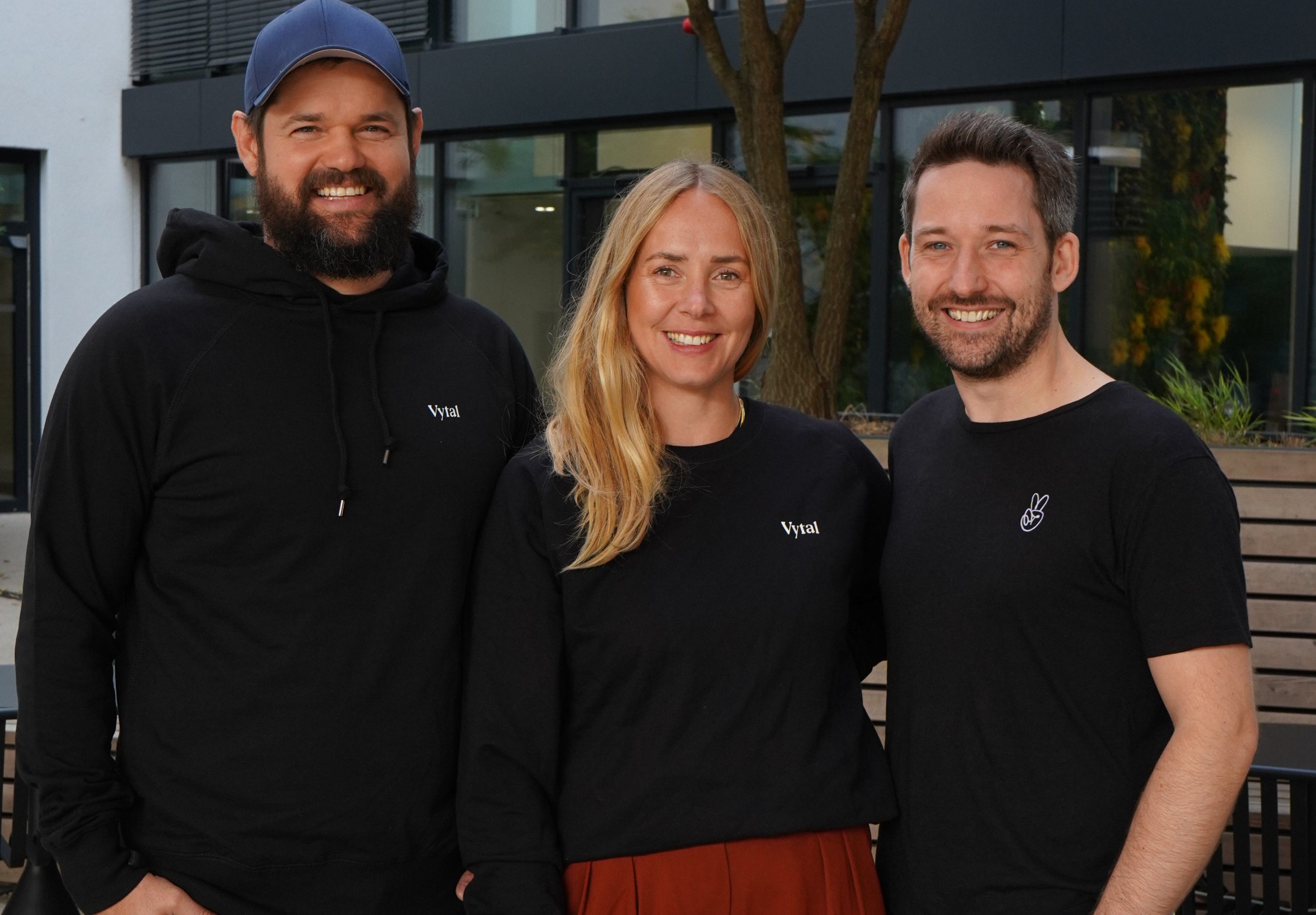
Meet the Vytal Team

Arrow

Novameat

A new culinary tradition, powered by plants

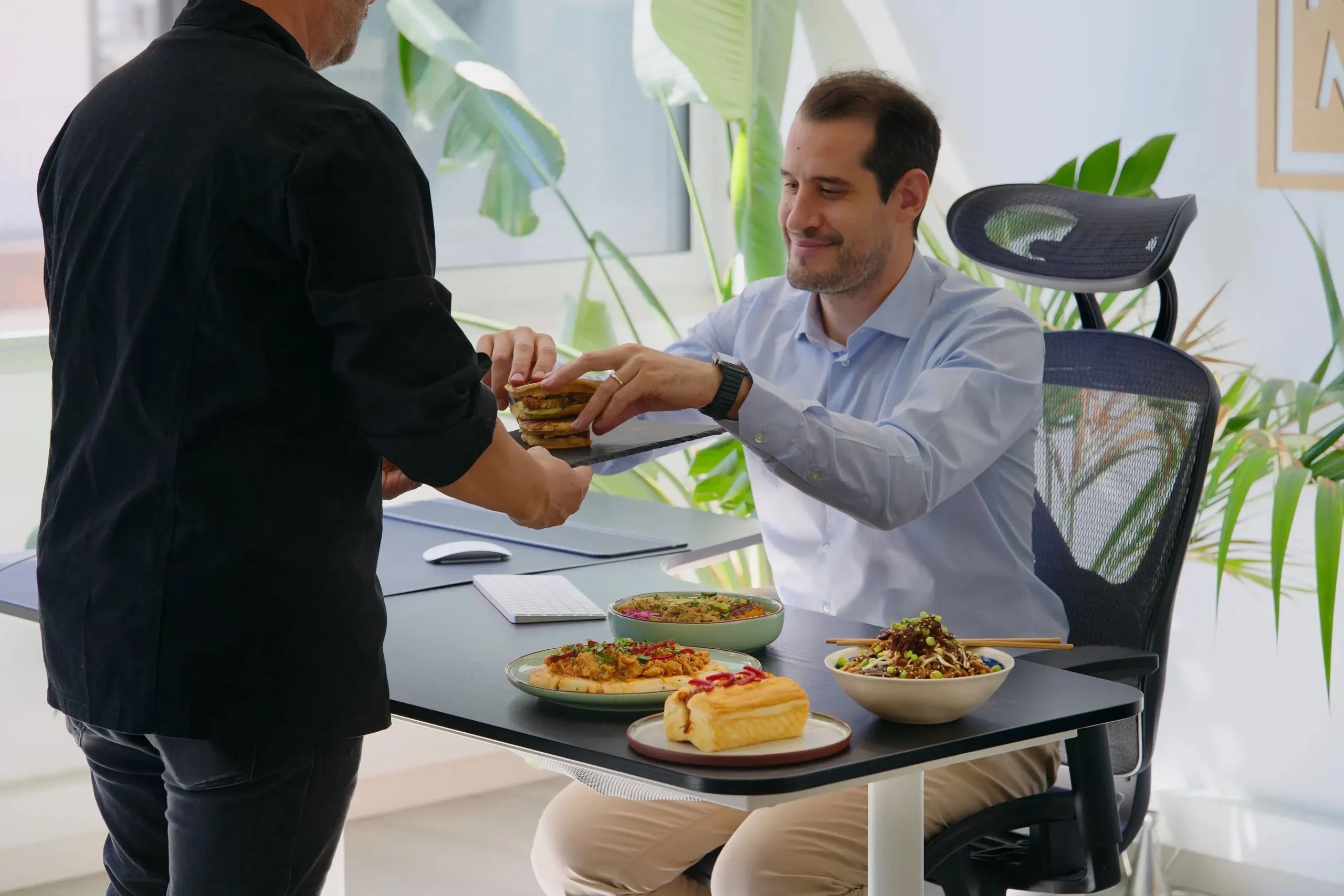
Meet Novameat, a Barcelona-based pioneer reshaping how we think about meat. With their cutting-edge microextrusion technology, they transform plant proteins into whole cuts and pulled products that look, cook, and feel like the real thing. Think steaks, pork chops, chicken fillets, or pulled pork—all crafted entirely from plants, without the environmental baggage of industrial animal farming.

For NOVAMEAT we track the following impact targets:

➡️
Technology Readiness Level (TRL 5,6,7) achieved (25%)
➡️
Cumulative number of tons of meat analogues sold by Novameat (75%)

SDG Alignment

Why It matters: tackling the impact of meat production

The global meat industry is one of the leading drivers of greenhouse gas emissions, deforestation, water waste, and animal suffering. Beef production alone accounts for around 8% of global emissions. Novameat’s technology directly addresses this by offering chefs, food brands, and consumers a scalable alternative: nutritious, delicious whole-cut and pulled plant-based proteins that avoid the destructive footprint of livestock farming.

Rethinking the Future of Meat
At Rubio, we believe the protein transition will not be achieved by a single approach. The future will be a mix of plant-based, cultivated, mycelium-based, and hybrid solutions. Novamet’s innovation fills a crucial gap in this spectrum: whole cuts and pulled meats. By unlocking the textures that meat lovers crave, they enable flexitarians and meat-eaters to shift more of their diet toward sustainable options—without compromise.

From lab to plate: science meets gastronomy

Founded in 2018 by Dr. Giuseppe Scionti, a tissue engineering expert, Novameat has developed and patented a unique process that re-creates the fibrous structure of animal tissue using plant proteins such as peas, rice, and seaweed. Flavor, texture, and mouthfeel are achieved with a short, clean ingredient list—a technological breakthrough refined in collaboration with world-class chefs from the Michelin-starred restaurant Disfrutar.

Scaling impact: building a sustainable food system
Novameat is now scaling production, supplying ingredients and products to food manufacturers, foodservice, and retail. With this, they aim to become a cornerstone in the global transition to a healthier, more humane, and more sustainable food system.

We see Novameat as the missing piece in the alternative protein puzzle: the hero that can finally bring plant-based whole cuts and pulled products to the center of the plate. By making credible, scalable, and delicious alternatives, they are helping to feed a growing population while protecting our climate, our ecosystems, and animal welfare.

Meet the Novameat Team

Arrow

Arborea

The future of sustainable and healthy food

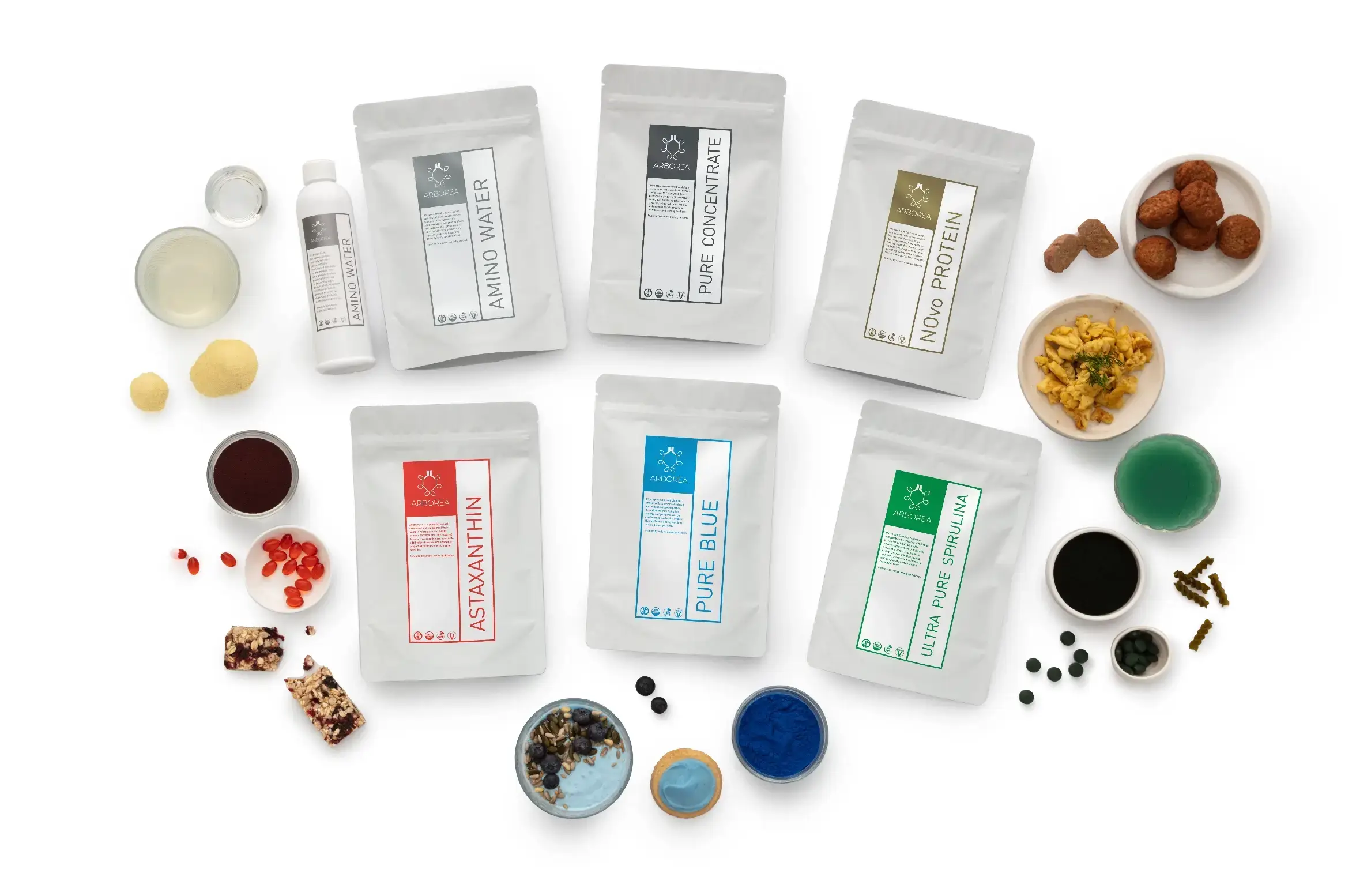
Arborea spent the last five years researching the best way to grow organic, healthy food ingredients with the lowest environmental impact. Their ultimate goal is to feed the world’s present and future generations while preserving our planet. The London-based tech business developed a breakthrough cultivation system called the BioSolar Leaf.

Arborea’s technology uses sunlight to mimic the functioning mechanisms of a real leaf to self-maintain the ideal growth conditions homogeneously at different scales, using the lowest energy inputs. It also – uniquely – sequesters CO2 from most exhaust gasses, even with very low CO2 concentration and at atmospheric pressure.

For Arborea we track the impact targets:

➡️
Technology Readiness Level (TRL), which proves the technology works and is being scaled up to achieve impact.
➡️
Environmental footprint in CO2 equivalent emissions / kg of Arborea protein produced (25%)

SDG Alignment

European Union’s Horizon 2020 research and innovation program

Arborea’s food ingredients and proteins are wholly vegan, Non-GMO, hormone-free and mostly carbon neutral. The unique functioning mechanisms of the BioSolar Leaf impedes contamination to produce the safest and purest ingredients.

Arborea’s team is composed of exceptional scientists and engineers from world-leading institutions such as Imperial College London, Oxford University and UC Berkeley. The team is comprised of experts in industrial biotechnology with a cumulative 50+ years of industry experience, combined with the commercial acumen that is required to effectively execute their vision of a prosperous, sustainable future.

The project has already received funding from the European Union’s Horizon 2020 research and innovation program, and is continuously supported by strong scientific and business advisors from world-class organizations.

A breakthrough biomimicry reinventing cultivation

At Rubio, we believe that Arborea can play a major role in fighting climate change. Their technology means that we will be able to produce clean and healthy food while harmonizing with Earth’s regulatory carbon-cycles on a massive scale! Our investment will enable Arborea to take a quantum leap. The funding has helped them to scale their BSL technology to a demo facility in Portugal, which is used to demonstrate their ability to cultivate commercial-grade phycocyanin and astaxanthin, which are high-value functional ingredients used in food and beverage applications, nutraceuticals and cosmetics.

Read more in our Arborea Impact Case

Meet the Arborea Team

Arrow

Mosa Meat

Dramatically reducing the impact of meat consumption

Meat has a catastrophic effect on the environment, with consumption of beef from cows alone responsible for a staggering 8% of GHG-emissions. The industrialized raising of animals for slaughter has detrimental effects on animal welfare, rising antibiotics use, land use and soil & water contamination. Rubio strongly supports a consumption shift towards less meat and more plant-based alternatives. At the same time we need to tackle the harmful effects of livestock farming today, as meat consumption still continues to grow.

For Mosa Meat we track the following impact targets:

➡️
Kgs of cultured meat produced by Mosa Meat (25%)
➡️
Cost price of producing cultured meat (25%)
➡️
Regulatory approval of the product (50%)

SDG Alignment

Cultivated cow meat that is identical to conventionally raised meat

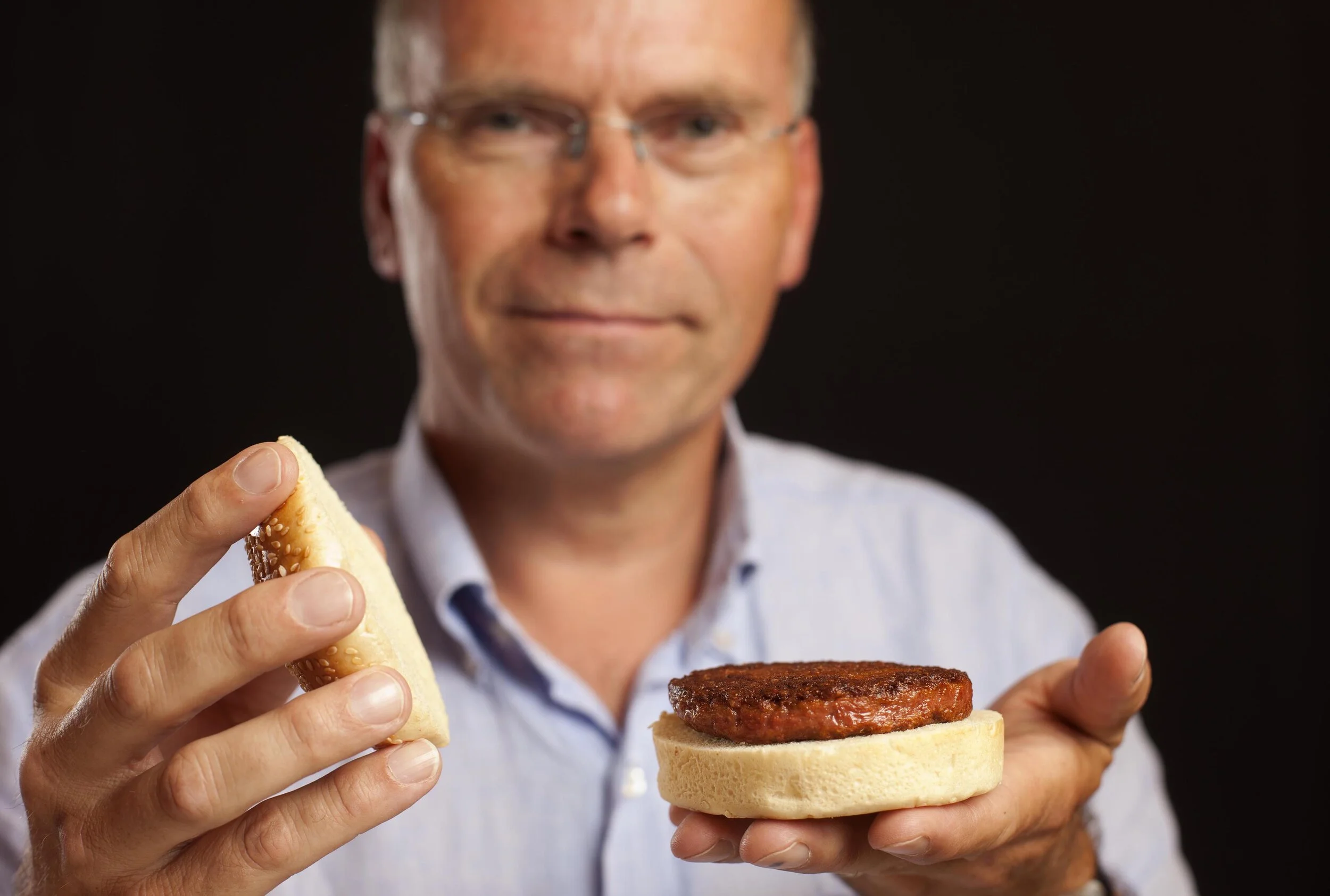
Mosa develops the technology and facilities to produce cultivated cow meat that is identical to conventionally raised meat. Cultivated meat is produced by taking a small sample of cells from a live animal, and growing meat from these cells in a controlled environment. The result is real meat without slaughtering animals, and a dramatically reduced environmental impact with 80-90% less greenhouse gas emissions and 95% less land use. Mosa Meat has the right approach to cultivated meat and are focused on beef as it is the meat type with by far the largest environmental impact. Mosa is fully committed to a non-GMO approach, and, besides the starter cells, does not use any animal ingredients in its process.

The Mosa team has been working on this technology for over a decade, and has its origins in 2006 as a Dutch government funded academic project on cultivated meat at Maastricht University. Its co-founders Mark Post and Peter Verstrate created the world’s first cultivated hamburger. They spun the company out of the university in 2017 and raised a Series A in 2018.

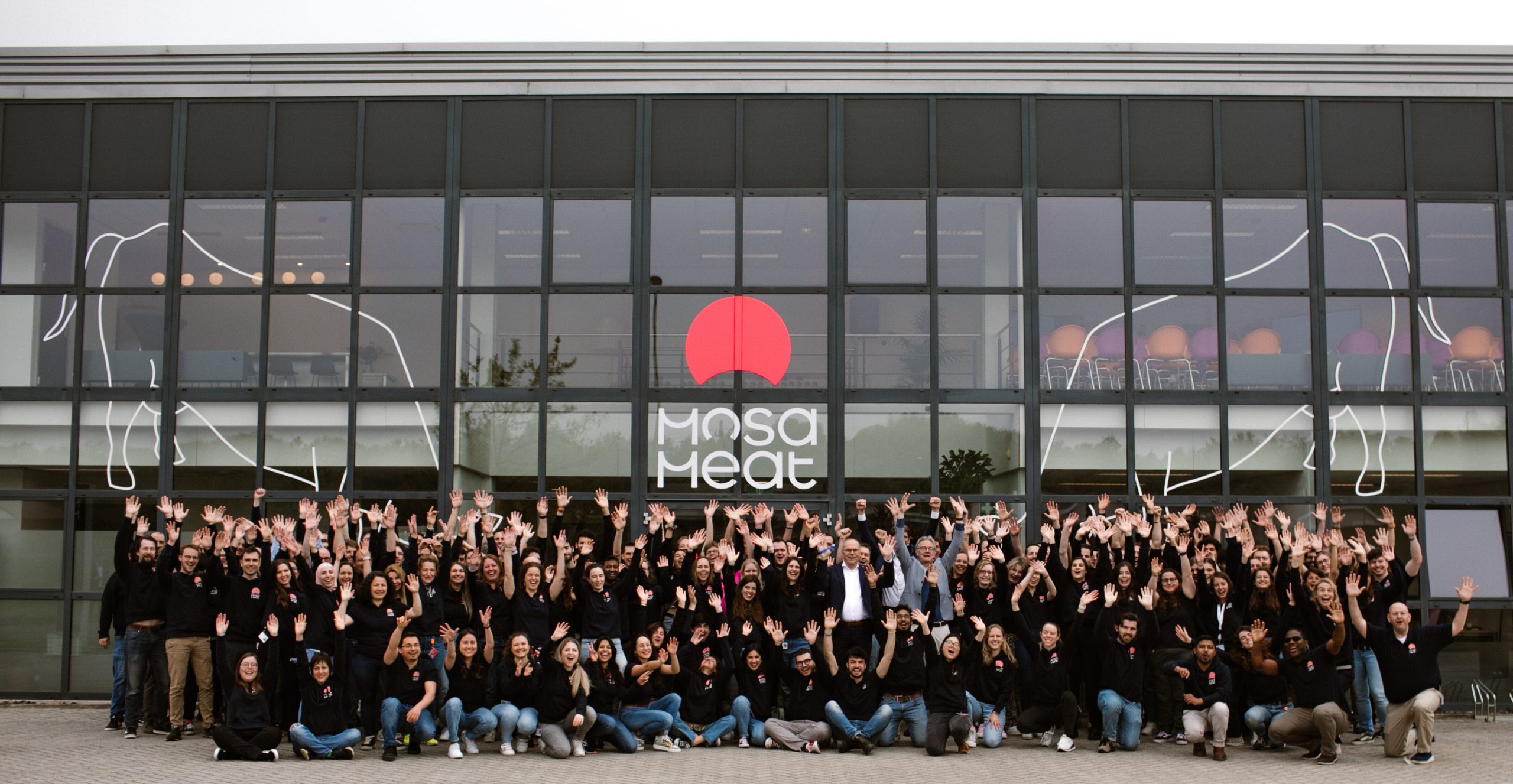
Meet the Mosa Meat Team

Arrow

Olio

Hate waste? Love Olio

Between 33-50% of all food produced globally is never eaten, while 800 million people go to bed hungry every night. It takes a land mass larger than China to grow the food each year that is ultimately never eaten with dramatic negative impact– land that is deforested, species that are driven to extinction, soil that is degraded – all to produce food that we just throw away. Moreover, food that is never eaten accounts for 25% of all fresh water consumption globally. And when food waste goes to landfill it decomposes without access to oxygen and creates methane, which is a 23x more polluting greenhouse gas than carbon dioxide. Every which way you look at it, food waste is a major culprit in destroying our planet.

For Olio we track the following impact targets:

➡️
Tonnes of food saved (33%)
➡️
Total confirmed exchanges (33%)
➡️
Monthly active users (33%)

SDG Alignment

Small actions can lead to big change

Olio believes that small actions, every day, can lead to big change. Collectively – one rescued cupcake, carrot or bottle of lotion at a time – we can build a more sustainable future where our most precious resources are shared, not thrown away. The ambition of Olio is that by 2030 we can halve the food waste in people’s homes and the local community.

Scaling Internationally

Olio hits two impact themes of Rubio as it targets to make the food supply chain more circular whilst increasing social cohesion in neighbourhoods. In Olio, Rubio has found incredibly mission-driven female entrepreneurs, a passionate team and impactful co-investors. It is impressive how Olio has been able to attract both impact driven co-investing funds (Mustard Seed, Norrsken, Quadia) as well as commercially oriented VC’s (Octopus Ventures, Accel) across different countries in Europe.

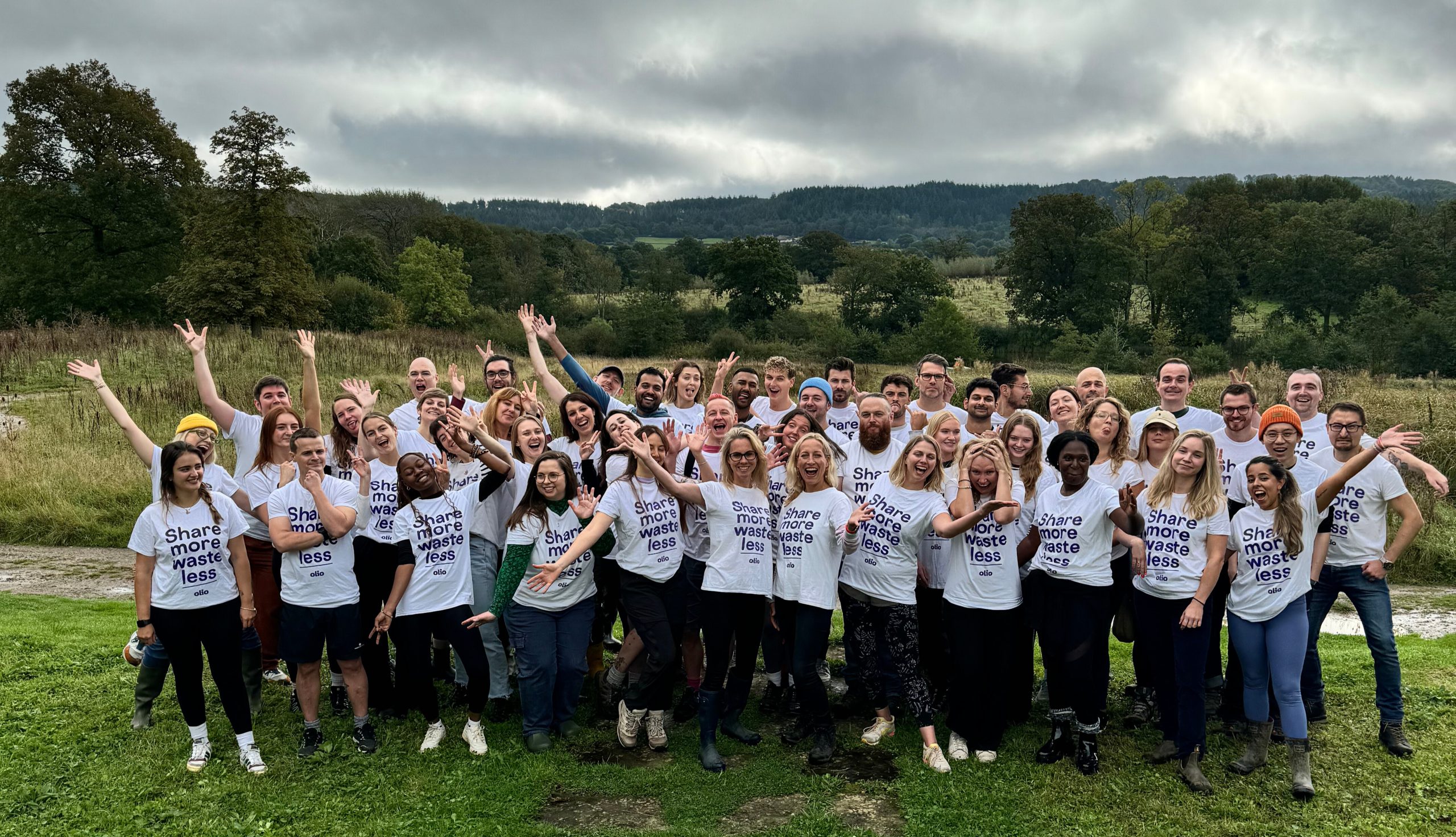
Meet the Olio Team

Arrow

30MHz (Alumni)

Empowering the next generation of farmers

Sharing and applying data-driven knowledge to enable growers around the world to produce more with fewer resources. In a nutshell, that’s what 30MHz has always been about. The company continues to set the standard for the next generation of horticultural entrepreneurs.

For 30MHz we tracked the impact targets:

➡️
Number of high tech customers
➡️
Number of mid/low tech customers

SDG Alignment

Connecting People, Plants and Technology

With its data platform and plug-and-play climate data hardware, 30MHz raises the bar for sustainable and data-based agriculture worldwide—from cultivation to harvest, and from packaging to shipping. Farmers use the platform to exchange knowledge, experiences, and strategies, introducing each other to new opportunities and tackling challenges together. By accelerating the use of data in farming practices, 30MHz is helping build a more sustainable and future-proof food system.

In addition to offering access to its cloud-based data insights, 30MHz provides affordable plug & play climate sensors, opening up advanced tools to mid- and low-tech clients who previously lacked access.

A Sustainable and Future-Proof Food System

The independence of the platform, with the option for growers to share their data with knowledge partners, fills an important gap in the market. Its accessible pricing enables growers with different technology budgets to benefit from data-driven insights and democratizes knowledge. Ultimately, this contributes to a more sustainable and resilient food system.

While the company has faced challenges along the way, including bankruptcy and a new ownership structure, the core mission remains unchanged: empowering farmers with the tools and knowledge they need to thrive. We remain proud of the lasting impact 30MHz continues to make in advancing sustainable agriculture.

Afval loont (Alumni)

The value of waste

The reusable waste is not burned but actually recycled. With these funds, citizens can donate to local organizations such as such as schools, community centers or save for their own families. Jørgen van Rijn founded the company in 2011 to create awareness that waste is actually a resource and therefore is valuable, thus creating a fundamental shift in attitude and behavior.

Afval loont has collectively avoided over 2.5 million KG of CO2 emissions in 2016 and increased the local recycling percentage by 40%. In addition, Afval loont employs people with a distance to the labor market.

For Afval Loont we tracked the impact targets:

➡️
Tons of CO2 emissions avoided.
➡️
Number of employees in unemployment sector
➡️
Awareness for waste recycling (number of people)

SDG Alignment